Blog

Blog

How To Repair Epoxy Resin Countertops
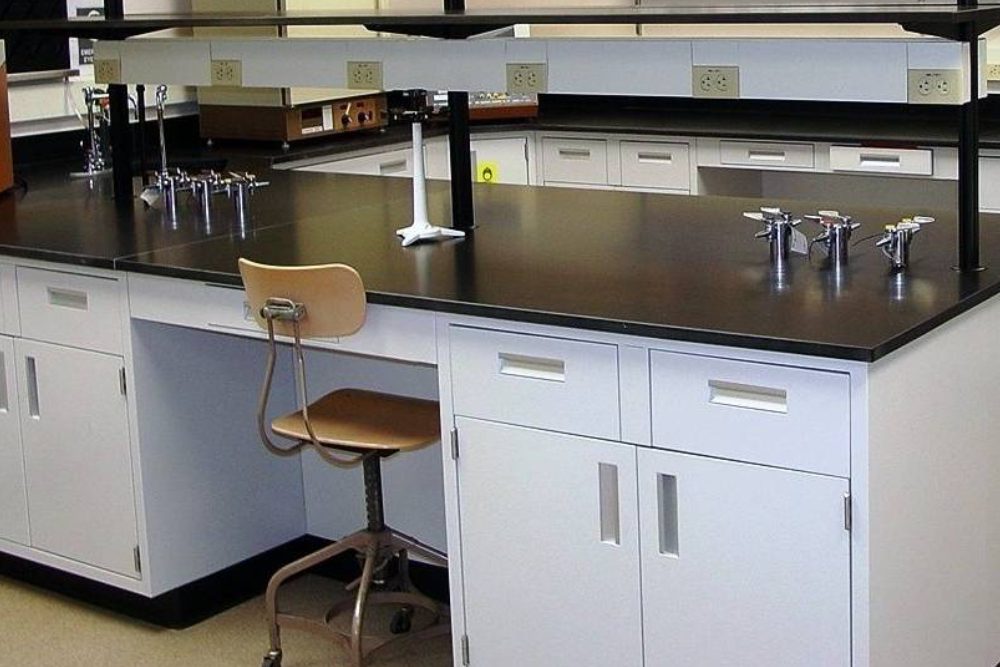
Learning how to repair epoxy resin countertops helps extend the life of surfaces that handle daily use and occasional damage. Small imperfections can appear over time, especially in high-use areas or specialized environments like laboratory countertops. With the right methods, most problems can be corrected without replacing the entire surface.

Understanding Common Epoxy Countertop Damage

Before beginning any repair, it is important to identify the type of damage affecting the surface. Epoxy countertops can develop scratches, air bubbles, discoloration, or uneven areas due to improper curing or everyday wear. Each issue requires a slightly different technique, so a clear assessment helps avoid unnecessary work.

Environmental factors also play a role in surface damage over time, especially in laboratory countertops exposed to demanding conditions. Heat exposure, moisture, and ultraviolet light can gradually affect epoxy integrity, leading to visible changes in texture or color. 

Preparing the Surface for Repair

A clean and stable surface is essential for a successful repair. Dust, grease, or residue can interfere with adhesion, so thorough cleaning with a non-abrasive solution is necessary before sanding or recoating. Letting the surface dry completely improves how well repair materials bond.

Light sanding follows cleaning to create a slightly rough texture that improves adhesion. Fine-grit sandpaper helps smooth imperfections while maintaining control over the surface depth. After sanding, removing all debris prevents contamination during the next stage of the repair process.

How to Repair Epoxy Resin Countertops with Sanding Techniques

Sanding remains one of the most reliable methods when learning how to repair epoxy resin countertops. It removes scratches, levels uneven areas, and prepares the surface for recoating without affecting the overall structure. Controlled sanding also makes it easier to correct specific problem areas.

Different sanding grits are used depending on the severity of the damage. Coarser grits address deeper imperfections, while finer grits refine the surface for a smoother finish. Gradual transitions between grits help maintain a consistent look across the repaired section.

Applying a New Epoxy Layer for Restoration

After surface preparation, applying a new epoxy layer restores clarity and smoothness. A thin flood coat covers minor imperfections while blending repaired areas into the surrounding surface. Even application helps reduce visible transitions after curing.

Mixing and application techniques directly affect the final result. Air bubbles may form during pouring, so gentle heat or a torch helps release trapped air before curing begins. Allowing the epoxy to settle undisturbed leads to a more uniform and polished finish.

Fixing Deep Scratches and Surface Imperfections

Deeper scratches or gouges require more focused attention before applying a new coat. Filling these areas with epoxy or a compatible filler rebuilds the surface and prevents visible indentations after curing. Proper leveling at this stage improves the overall appearance.

Once filled, sanding again blends the repaired section with the surrounding surface. This step creates a consistent texture and removes noticeable edges between old and new material. Careful work here leads to a smoother and more natural-looking result.

Preventing Future Epoxy Countertop Damage

Preventative care helps maintain the appearance and durability of epoxy countertops after repairs are complete. Using protective pads under hot items and limiting exposure to harsh chemicals reduces wear over time. Regular cleaning keeps the surface free from buildup that can lead to damage.

Routine inspections help catch minor issues early. Addressing small scratches or imperfections quickly reduces the need for more extensive repairs later. Consistent care extends the lifespan of the countertop while preserving its visual appeal.

Maintaining Long-Term Surface Performance

Long-term performance depends on proper repair techniques and consistent maintenance habits. Ongoing care helps preserve the glossy finish and structural integrity of the epoxy surface. Small efforts over time contribute to a clean and professional appearance across different applications.

Understanding how to repair epoxy resin countertops with precision helps reduce downtime and avoid unnecessary replacement costs. With the right approach, epoxy countertops remain a durable and versatile surface choice. This makes them suitable for both residential and professional environments that depend on consistent surface quality.

Bringing Your Epoxy Countertop Back to Life

Repairing epoxy resin countertops requires attention to detail, proper preparation, and consistent techniques throughout each step. From surface cleaning and sanding to applying a fresh coat, each stage works together to restore both appearance and durability. With the right approach, even noticeable damage can be corrected, allowing your countertop to maintain its strength and professional finish over time.

Restore Your Surfaces with Confidence

At LOC Scientific, we offer high-quality laboratory countertops designed for durability and long-term performance in demanding environments. If you need guidance on maintenance or selecting the right surface solution, contact us today to learn more about our products and services.
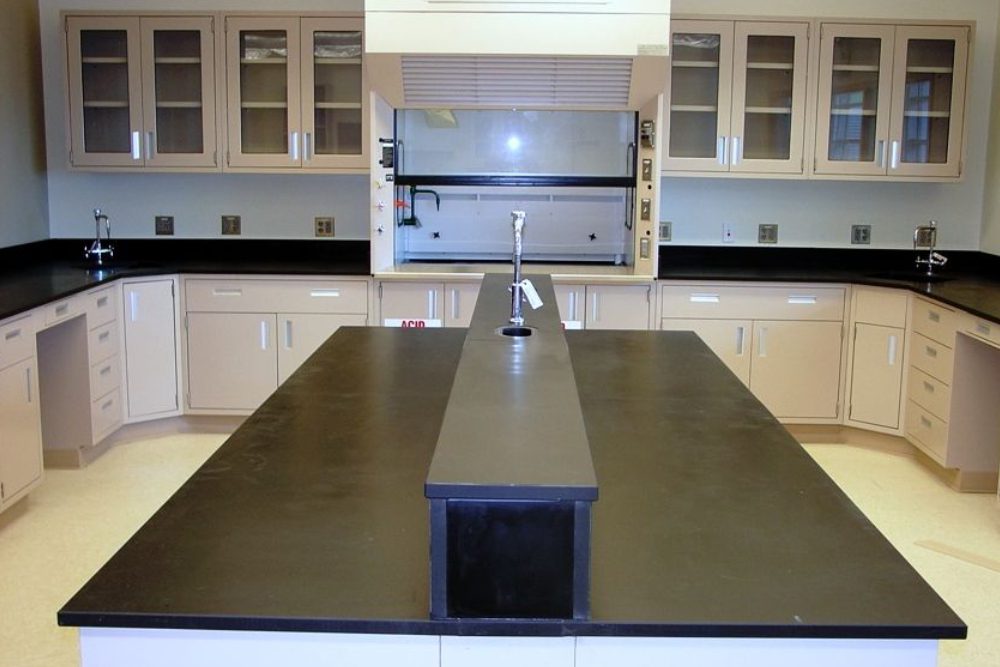
How Much Do Epoxy Resin Lab Countertops Cost?

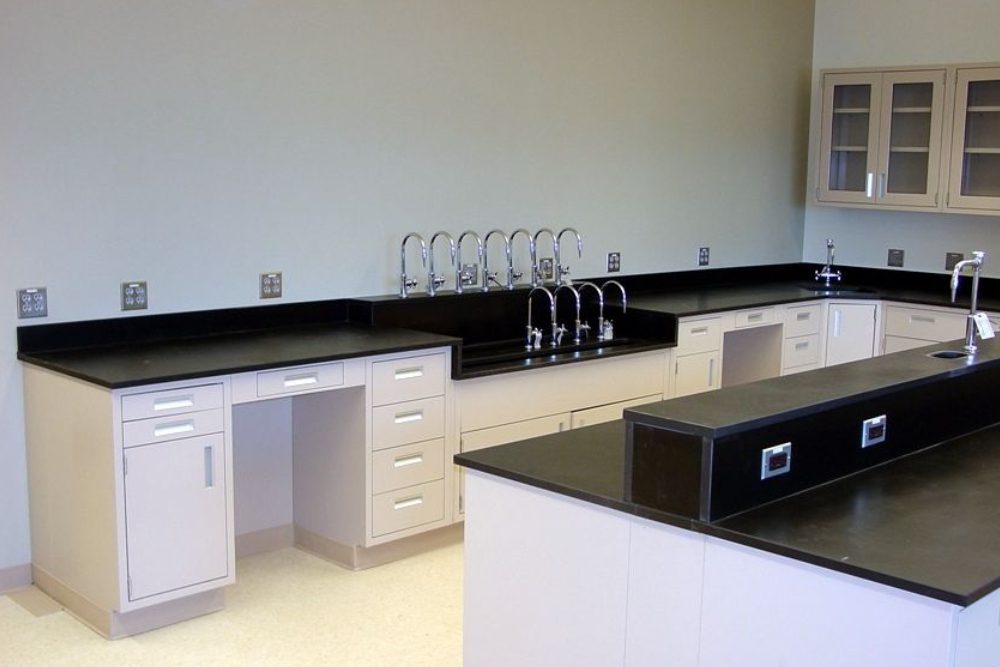
Epoxy resin surfaces have gained attention in technical environments where durability and chemical resistance matter. The cost of epoxy resin countertops depends on factors such as size, customization, and installation conditions. In laboratory settings, these surfaces play a key role in maintaining clean, controlled workspaces.

When planning upgrades for laboratory countertops, epoxy resin often stands out for its versatility and performance. It offers a smooth, non-porous surface that resists spills and contamination. These features make it a practical choice for scientific facilities that demand reliability and long-term use.

Understanding the Cost of Epoxy Resin Countertops in Lab Settings

The cost of epoxy resin countertops in laboratories often ranges from $100 to $200 per square foot, depending on project size and technical requirements. 

Smaller installations may fall on the lower end, while larger or more complex layouts increase overall pricing. This range reflects both the material and the specialized handling needed for lab environments.

Laboratory settings require surfaces that meet strict standards for safety and performance under constant use. Epoxy resin countertops must resist chemicals, heat, and mechanical impact without compromising structural integrity. These demands influence pricing and set them apart from standard residential or commercial countertop solutions.

Material Quality and Its Influence on Pricing

Material composition plays a significant role in overall pricing, as higher-grade epoxy resin delivers stronger resistance to wear and chemical exposure. Premium formulations designed for laboratory use increase upfront investment due to enhanced durability and performance. This level of quality supports environments where consistent reliability is expected.

Lower-grade materials may reduce initial expenses, but they often fail under the demands of scientific applications. Over time, this can lead to additional repairs or full replacement, increasing total costs. Choosing high-quality resin aligns the cost of epoxy resin countertops with long-term durability and helps minimize disruptions in daily operations.

Labor and Installation Requirements for Laboratory Countertops

Installation costs vary due to the precision required in laboratory environments, often adding $45 to $75 per square foot, depending on complexity. Technicians must prepare surfaces carefully, apply resin evenly, and allow proper curing to achieve a uniform finish. This process requires time and specialized expertise, which directly affects labor pricing.

Laboratory installations often involve custom layouts that accommodate sinks, equipment, and safety features. Each modification adds complexity and requires careful coordination during installation. Skilled professionals manage these elements to maintain safety standards and preserve the functionality of the workspace.

Customization and Design Factors that Affect Costs

Customization has a direct impact on the cost of epoxy resin countertops, especially in specialized laboratory environments with unique layouts. Integrated sinks, backsplashes, and tailored dimensions require additional fabrication and planning. These features improve workflow efficiency while increasing total project costs.

Design choices such as color variations, surface finishes, and edge profiles also influence pricing. These details contribute to usability and visual consistency in professional settings. Customization helps facilities align operational needs with a cohesive and functional design.

Comparing Epoxy Resin Countertops to Alternative Materials

Epoxy resin countertops often fall within a similar price range as other lab-grade materials, though costs may rise depending on customization. Stainless steel and phenolic surfaces present alternatives, yet epoxy resin stands out for its balance of durability and chemical resistance. This combination fits a wide range of laboratory applications.

Other materials may perform well in specific conditions but lack the flexibility that epoxy resin delivers across different environments. Evaluating long-term use, exposure levels, and maintenance requirements helps determine the most cost-effective solution. Epoxy resin remains a strong option for facilities seeking both performance and longevity.

Long-Term Value and Maintenance Considerations

The long-term value of epoxy resin countertops comes from their durability and resistance to damage in demanding conditions. Their non-porous surface helps prevent staining and contamination, which reduces maintenance efforts over time. This reliability supports consistent operations without frequent repairs or replacements.

Maintenance costs remain relatively low when surfaces are handled properly and cleaned using standard practices. Over time, the initial investment balances out through reduced repair needs and extended service life. Laboratories benefit from surfaces that maintain performance without ongoing restoration work.

What to Expect When Budgeting for Epoxy Resin Countertops

Budgeting for epoxy resin countertops involves more than material and labor, as planning and design also affect total costs. Facilities must consider layout complexity, installation conditions, and performance expectations when estimating expenses. These elements shape the financial scope of each project.

Accurate budgeting begins with a clear understanding of laboratory needs and daily workflow demands. This approach helps allocate resources effectively while avoiding unexpected costs during installation. Careful planning leads to a more efficient process and a countertop solution that aligns with operational goals.

Start Your Path in Laboratory Training 

LOC Scientific offers licensed and accredited, hands-on training designed to prepare you for real laboratory environments with confidence. As a veteran-owned and staffed, military-trusted school, we guide you toward career opportunities. Contact us today to learn more about our programs.

Are Epoxy Resin Countertops Durable Enough For Lab Use?

Epoxy resin countertops durability is often a primary consideration when designing a lab space that operates under demanding daily conditions. From chemical exposure to repeated cleaning, surfaces must handle stress without losing performance or appearance. 

Many facilities consider epoxy systems for laboratory countertops because of their strength and adaptability.

Material Composition and Epoxy Resin Countertops Durability

Epoxy resin countertops are created by combining resin and hardener, forming a rigid surface through a chemical reaction. This process results in a dense, non-porous structure that resists liquid absorption and surface damage. The finished material bonds tightly to the substrate and adds stability and structural strength in challenging environments.

This composition contributes directly to epoxy resin countertops durability by limiting weaknesses often found in porous materials. Liquids, stains, and minor abrasions have less impact on the surface over time. However, the quality of raw materials and mixing accuracy can affect long-term performance and consistency across installations.

Resistance to Chemicals and Spills

Laboratory work frequently involves exposure to acids, solvents, and other reactive substances that can damage less durable surfaces. Epoxy coatings resist many chemicals – suitable for general lab applications that involve controlled handling of substances. Spills can usually be cleaned without leaving permanent marks when addressed quickly.  

Not all epoxy formulations respond to aggressive chemicals in the same way. Prolonged exposure to strong acids or solvents can lead to discoloration or surface wear over time. Proper cleaning habits and protective measures help maintain epoxy resin countertops durability and extend usability in high-demand environments.

Heat Tolerance in Laboratory Settings

Heat exposure is another factor that affects countertop performance in scientific spaces. Epoxy resin surfaces can handle moderate heat levels, which suits routine lab procedures that do not involve extreme temperatures. Short-term contact with warm equipment typically does not cause immediate damage.  

Direct exposure to high heat or open flames can lead to surface distortion or discoloration. Epoxy does not perform as well as some specialized materials under sustained high-temperature conditions. Using heat pads or barriers reduces thermal stress and protects the surface during intensive applications.

Surface Strength and Impact Resistance

Daily lab activity includes moving equipment, handling tools, and occasional accidental drops. Epoxy countertops create a strong surface that resists minor impacts and scratches during routine use. Their seamless design reduces weak points where cracks or chips might develop.  

Heavy impacts or sharp objects can still cause damage under certain conditions. Epoxy performs well under typical lab use, but it is not completely resistant to physical stress. Careful handling practices help preserve the surface and reduce the risk of long-term structural issues.

Maintenance and Long-Term Performance

Routine cleaning plays a major role in preserving epoxy resin countertops durability over time. The non-porous surface allows for easy removal of spills, which reduces the risk of staining and contamination. Regular maintenance keeps the surface functional and maintains its visual appearance in active lab settings.

Over time, signs of wear may appear, especially in high-traffic areas or under repeated exposure to harsh conditions. One advantage of epoxy is that it can often be refinished rather than replaced entirely. Applying a new coating layer can restore the surface and extend its service life without major disruption.

Installation Quality and Its Impact on Durability

The performance of epoxy countertops depends greatly on proper installation techniques and thorough surface preparation. A well-prepared substrate helps the epoxy bond securely, creating a stable and long-lasting surface that maintains its integrity under daily use. 

Inconsistent or rushed preparation can introduce issues early in the process. Poor preparation often leads to bubbling, peeling, or uneven curing, all of which reduce durability and affect the final appearance over time.

Professional installation improves consistency and helps avoid common application issues. Factors such as curing time, environmental conditions, and material thickness all influence the final result. Attention to these details plays a major role in achieving reliable performance in laboratory environments.

Is Epoxy a Reliable Choice for Laboratory Use?

Epoxy resin countertops offer a balance of durability, chemical resistance, and ease of maintenance for many laboratory applications. They perform well in controlled environments where extreme heat and aggressive chemicals are limited. Their ability to be refinished adds value for facilities looking to extend surface life.

That said, some specialized labs may require materials with higher resistance to heat or corrosive substances. Choosing the right surface depends on the specific tasks performed within the space. 

Work with Experts in Laboratory Surfaces

LOC Scientific delivers laboratory countertop solutions backed by hands-on training and real-world experience as a licensed and accredited, veteran-owned and staffed, military-trusted school. If you are planning a lab upgrade or new installation, contact us to learn how our epoxy surface systems can align with your project goals.

Top Lab Furniture Essentials For University Science Labs

The foundation of a successful higher education research facility rests on the quality and layout of the equipment provided to students and faculty. Selecting the right university laboratory furniture requires a deep understanding of how modern pedagogy shifts between collaborative lectures and intensive individual experimentation. 

Continue reading “Top Lab Furniture Essentials For University Science Labs”

Boost Workflow In Food Tech Labs With Purpose-Built Furniture 

The food technology sector moves at a rapid pace, requiring a delicate balance between rigorous scientific testing and large-scale product development. In this unique environment, the physical layout of the workspace dictates the speed at which a team can move from a prototype to a finished consumer product.

Continue reading “Boost Workflow In Food Tech Labs With Purpose-Built Furniture “

Woodson Students Get First Look at New Science Labs

BY JOHN BAUR

OCTOBER 27, 2011

Students at St. Croix’s John Woodson Junior High School and nine other schools throughout the territory have been given a great new setting for studying science – the next piece of the puzzle has to come from them, they were told during a grand opening ceremony Wednesday.

Continue reading “Woodson Students Get First Look at New Science Labs”

LOC Scientific Unleashes New Online Lab Planner

LOC Scientific is proud to announce their new, online lab planner featured on the website. The lab planner is designed so that users answer a few questions about their lab and then receive recommendations for their lab from LOC. Recommendations are shown as a detailed list explaining the type of equipment the lab will require based on what the lab will store, what chemicals will be used in the lab and what services will be required in the lab. The results are exact and complete with photos and helpful links to additional information. The goal of these recommendations is to inform users of everything their laboratory will require to fulfill its purpose.

Continue reading “LOC Scientific Unleashes New Online Lab Planner”

LOC Scientific Launches New Site

In order to display all of the many products LOC Scientific carries, they knew a fresh, brand new experience would be a great way to present their inventory along with their services to the user; moreover, their new site, www.locscientific.com was launched March 28, 2012.  With a new logo, clearer pictures, and explanations on everything from fume hood specifications to an online lab planner, LOC Scientific wanted to give their users a fantastic experience.
With many tools, whitepages, and information for supplying your laboratory needs, LOC Scientific wants to help its customers make useful and informed decisions.  An electronic catalog is provided free of charge for visitors explaining products specifications so ordering the right products are not a question.
LOC Scientific has experience in providing laboratory furniture, planning, and installation to educational, government and R&D laboratories all over the world including Puerto Rico and the US Virgin Islands.

Let's Begin Your Project Today