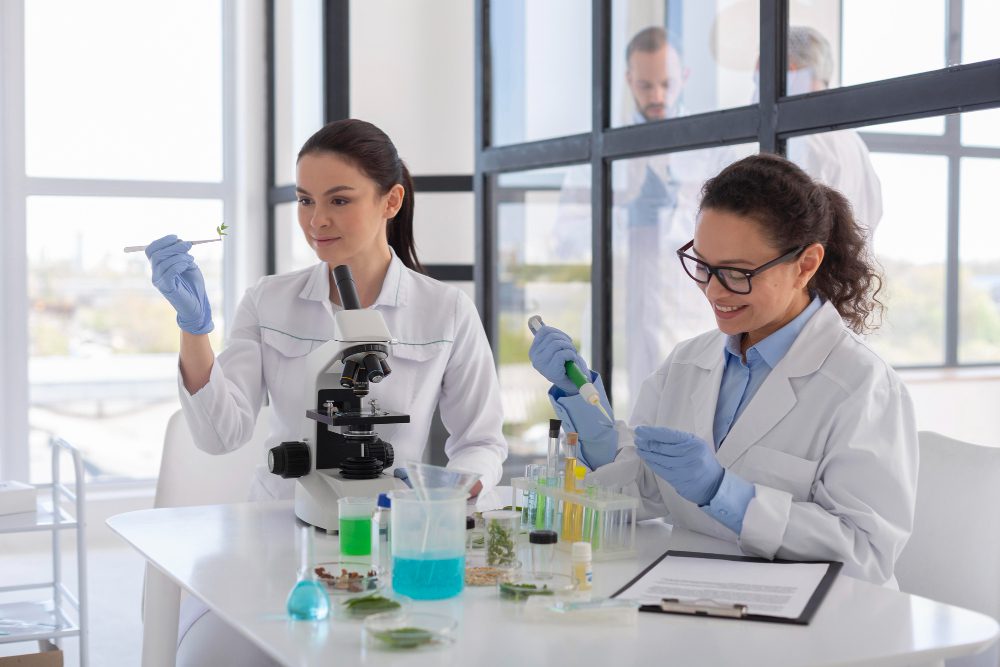
Most people never think about science labs past high school. Sure, scientists do but unless it’s your 9-5 job, labs are most likely not a concern for you during your daily life. But the truth is that we buy and sell products every day that are made in specially designed laboratories by highly trained technicians. One of the most interesting of these labs… dental.
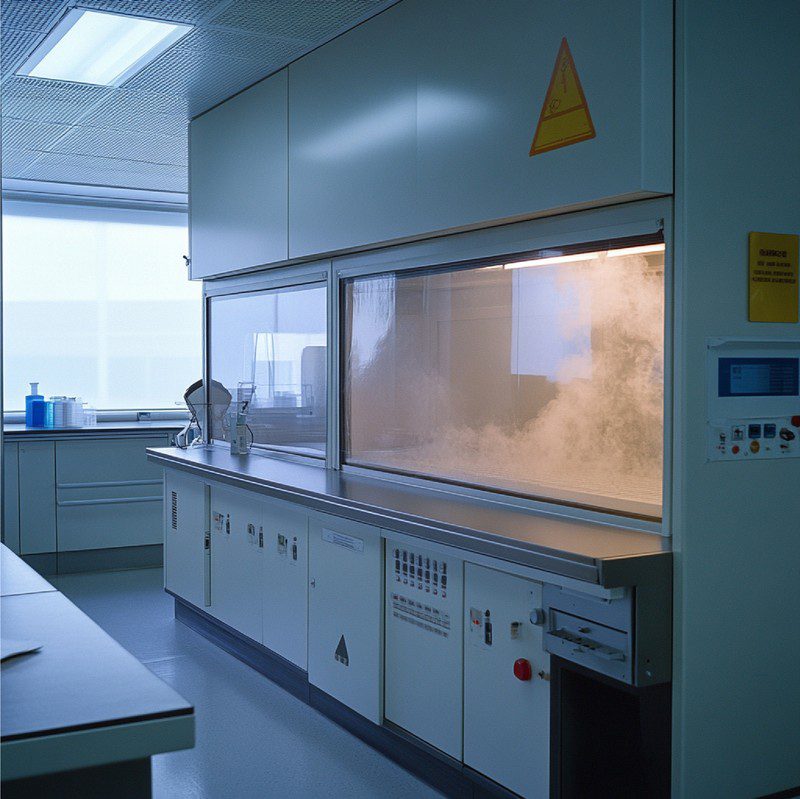
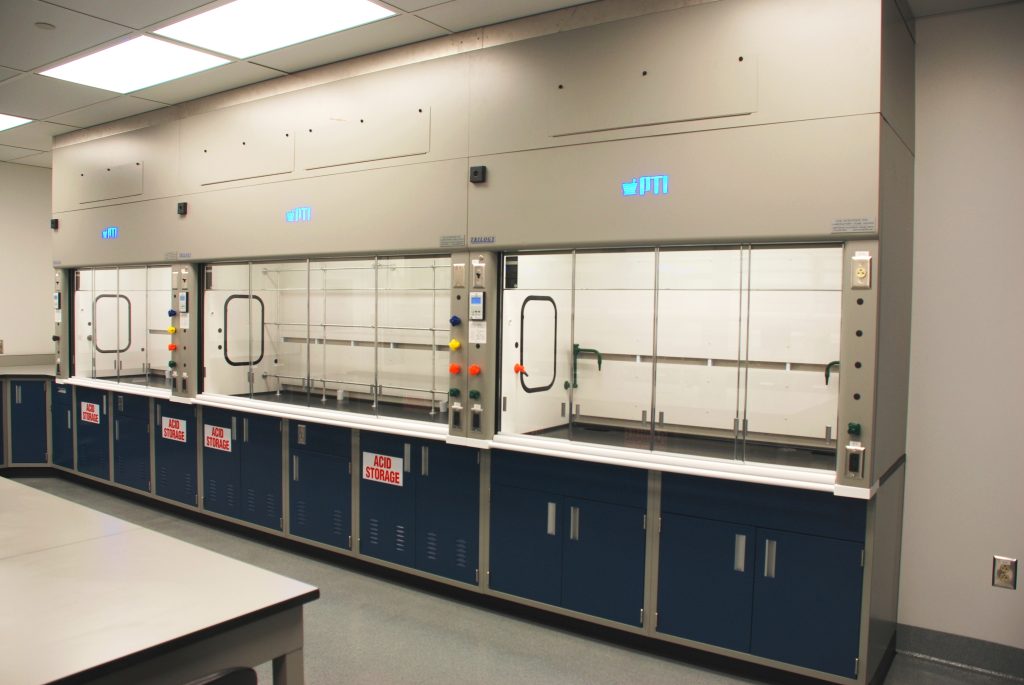
A walk-in fume hood is a fundamental piece of laboratory equipment. It offers both safety and functionality for professionals working in environments where hazardous fumes and chemicals are common. These hoods are designed to effectively ventilate dangerous vapors. They protect the workers by preventing harmful exposure to toxic substances.
Water is one of, if not the most, common reagents used in science labs. It’s a universal solvent and because of its abundance, chemists have been using it since the dawn of science to induce chemical reactions and study the effects of all sorts of compounds. Even though scientists have used it throughout the ages, what we know now is that the purer the water, the more accurate the chemical reactions. While it’s not possible to get completely pure water, advances in filtration technologies are always moving forward, and helping scientists conduct state-of-the-art research.
Handling perchloric acid in a laboratory demands specialized equipment due to its highly reactive nature. A perchloric acid fume hood plays a vital role in maintaining safety when dealing with this substance, which poses significant risks if vapors are not properly managed. Unlike conventional fume hoods, these specialized systems are designed specifically to handle and ventilate perchloric acid vapors, preventing the formation of hazardous crystals in ductwork that could lead to potential explosions. Understanding the importance of these fume hoods can help laboratories prioritize safety and effective ventilation.
Maintaining proper fume hood face velocity requirements is essential for lab safety. Face velocity measures the speed of air entering the fume hood, which helps ensure that fumes and airborne contaminants are effectively captured and contained. Meeting these requirements keeps lab personnel protected from hazardous substances and maintains a safe work environment.
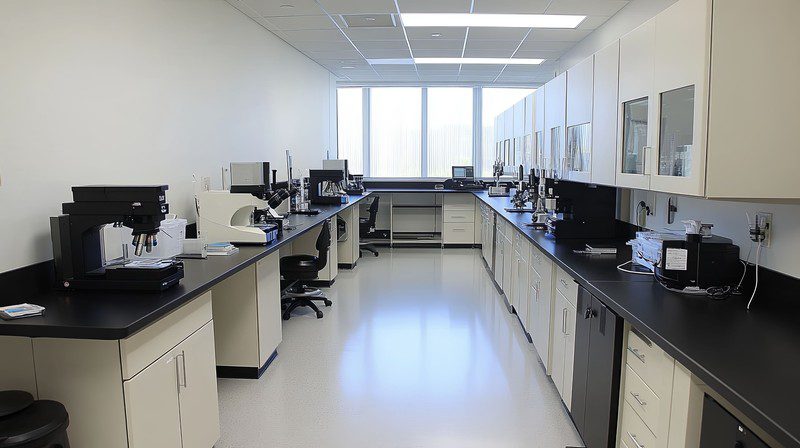
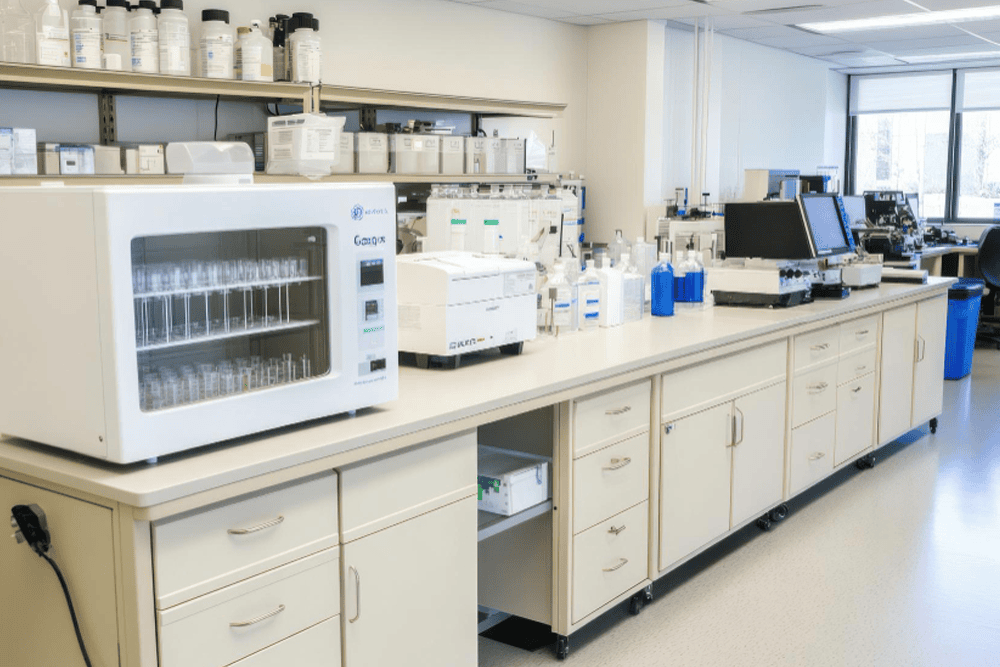
Setting up a new laboratory involves much more than just buying equipment and placing it on counters. A well-planned laboratory setup can greatly improve your team’s efficiency, safety, and overall performance. Whether you’re designing a research facility or a lab for educational purposes, it’s important to carefully consider every detail.
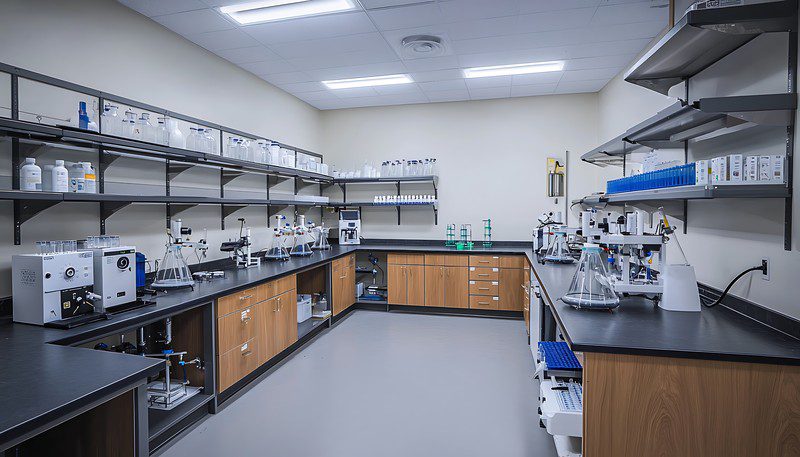
Creating an efficient and safe learning environment is essential in school science labs. The right science lab furniture for schools not only supports hands-on learning but also makes sure students and teachers can carry out experiments safely. Schools need to invest in furniture that is durable, functional, and flexible enough to accommodate the changing needs of students and curricula.
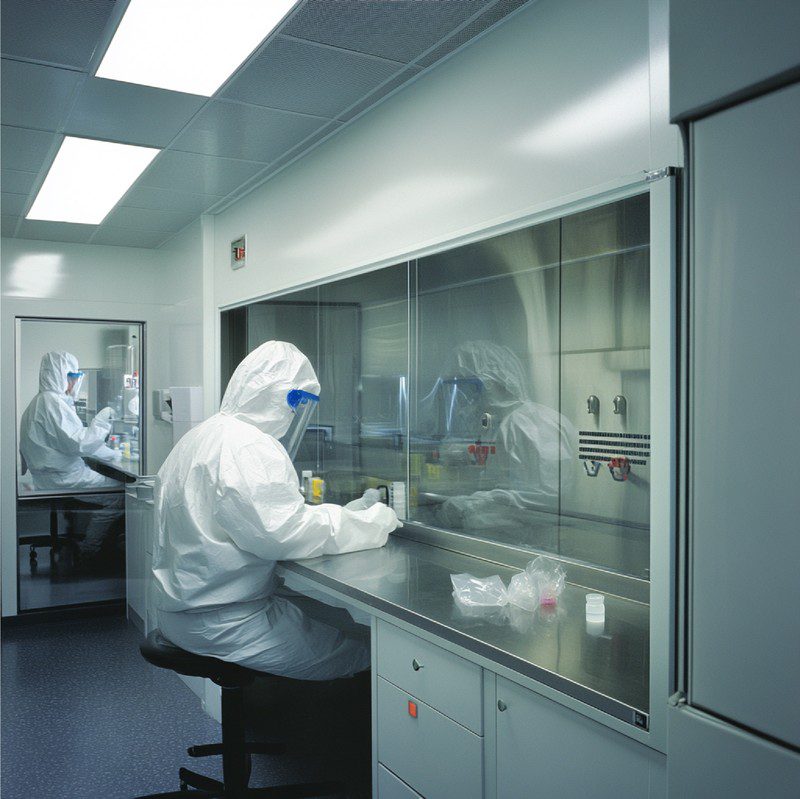
Creating a well-organized and functional dental lab workspace requires selecting the right dental lab furniture. From workstations to specialized cabinets, each piece plays a crucial role in supporting the precision work that dental technicians perform daily. Whether you are outfitting a new lab or upgrading your current one, knowing the types of furniture available will help optimize efficiency, safety, and comfort for technicians.
Every laboratory has different demands, and maintaining clean and uncontaminated glassware is non-negotiable. While many schools and labs use traditional dishwashers as a budget-friendly option, their limitations often fall short of meeting laboratory standards. This is where the specialized lab dishwasher comes into play. This equipment can meet the stringent requirements of a laboratory environment.
Most jobs are stressful in one way or another and lab workers are no exception. In fact, when it comes to the body they may be the rule as many lab positions require repetitive motions for long periods of time. In addition, misuse of the body within these repetitive motions only adds to the stress. In an effort to understand and hopefully minimize lab stress and employee turnover, here are the top stressors and how to combat them effectively.