Lab Fume Hoods Archives

Noah Nichols is VP of Operations at LOC Scientific, a laboratory furniture and fume hood supplier based in Buford, GA that has designed more than 10,400 laboratories and sold or serviced over 20,800 fume hoods since 1986. In his role, Noah oversees the operational side of LOC's design, supply, and installation work for clients across healthcare, education, government, industrial, and research labs.

On the LOC Scientific blog, Noah writes about the practical realities of lab design and operations, from choosing the right materials for a given lab's chemical exposure to the workflow and safety considerations that come up during real installations.

Fume Hood Safety Guidelines In Your Laboratory
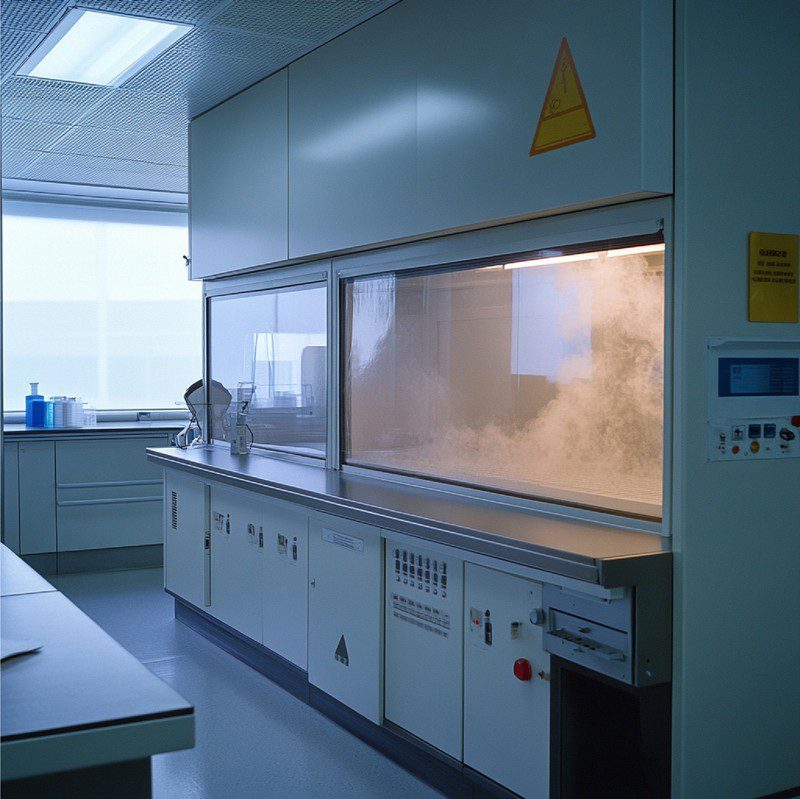
Quick Summary A fume hood is only as protective as its last test. OSHA’s Laboratory Standard requires hoods to be maintained and functioning whenever in use, and annual containment testing under ASHRAE 110 is how that gets verified. Daily habits at the sash matter as much as the certificate on the frame. Maintaining proper fumeContinue reading “Fume Hood Safety Guidelines In Your Laboratory”

11 Types Of Fume Hoods In Your Laboratory

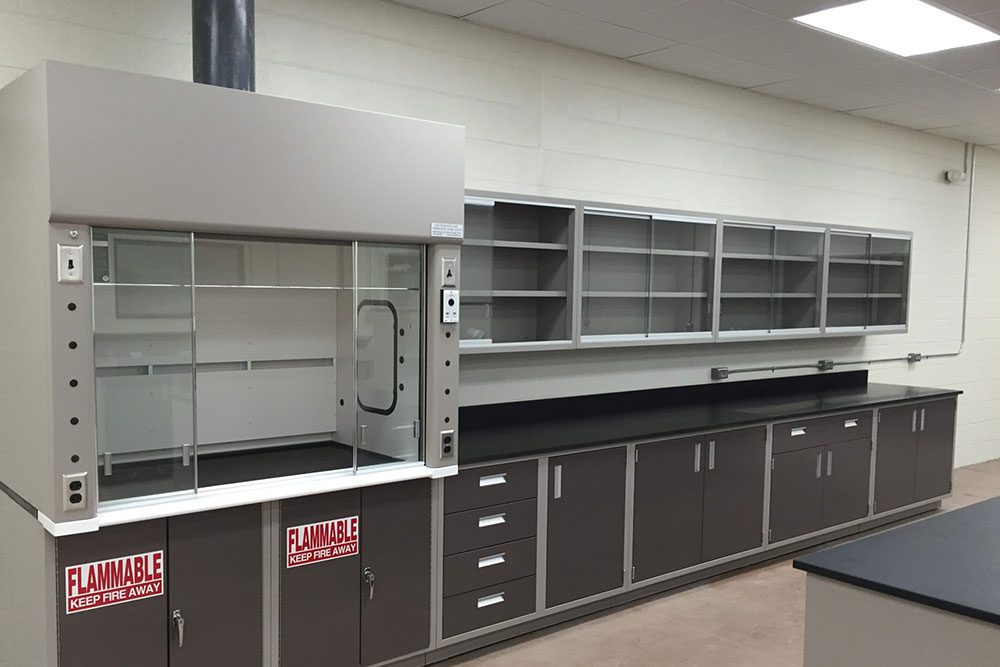
Quick Summary Eleven hood types cover most laboratory work, from general chemistry through perchloric acid, radioisotope, and walk-in designs. The chemistry decides the hood: perchloric acid work needs wash-down capability, radioisotope work needs particular liners, and a general chemistry hood substitutes for neither. Not all fume hoods serve the same purpose, and understanding the differentContinue reading “11 Types Of Fume Hoods In Your Laboratory”

Why Clutter And Large Equipment Can Be Dangerous In A Fume Hood

Quick Summary

Clutter and large equipment in a fume hood disrupt airflow, increase chemical exposure, and create fire or physical hazards. Overcrowding can block visual monitoring, hinder emergency responses, and reduce the efficiency and lifespan of lab fume hoods. Keeping only important materials, arranging equipment carefully, and maintaining a clean workspace preserves safety, optimizes hood performance, and allows laboratory personnel to work efficiently while minimizing risks from spills, fumes, or accidents. Proper organization is key to maximizing the protective function of every hood.

When Should A Chemical Fume Hood Be Used?

Quick Summary

Chemical fume hoods play a vital role in laboratory safety by containing hazardous vapors, gases, and particles. They are necessary when handling volatile chemicals, following SDS instructions, performing reactions that produce fumes, managing hazardous waste, or working with unknown compounds. Lab fume hoods also protect personnel from odors, irritants, and particulate matter while maintaining proper airflow and environmental control. Using fume hoods consistently supports safe chemical handling, operational efficiency, and compliance with safety regulations.

Essential Fume Hood Design Factors For Safety And Efficiency

Quick Summary

Fume hood design combines proper hood type selection, airflow management, containment performance, and control systems to maintain safety and efficiency in laboratories. Materials, durability, energy efficiency, and customization influence long-term performance and operational cost. Ergonomics, alarms, and operator training support safe and effective use, while integration with HVAC systems results in reliable airflow. LOC Scientific delivers USA-made lab fume hoods with customizable features, high-quality materials, and expert support to optimize lab functionality.

Why Is It Important To Use A Fume Hood In Your Laboratory?

Fume hoods are vital safety tools designed to shield laboratory personnel from harmful fumes, vapors, and particulates. But why is it important to work in the fume hood? Knowing this helps guarantee that lab technicians and researchers are protected from dangerous chemicals and substances. When used correctly, a fume hood safeguards the health of labContinue reading “Why Is It Important To Use A Fume Hood In Your Laboratory?”

Understanding Perchloric Acid Fume Hoods For Your Lab

Handling perchloric acid in a laboratory demands specialized equipment due to its highly reactive nature. A perchloric acid fume hood plays a vital role in maintaining safety when dealing with this substance, which poses significant risks if vapors are not properly managed. Unlike conventional fume hoods, these specialized systems are designed specifically to handle andContinue reading “Understanding Perchloric Acid Fume Hoods For Your Lab”

Understanding Fume Hood Face Velocity Requirements

Maintaining proper fume hood face velocity requirements is essential for lab safety. Face velocity measures the speed of air entering the fume hood, which helps ensure that fumes and airborne contaminants are effectively captured and contained. Meeting these requirements keeps lab personnel protected from hazardous substances and maintains a safe work environment.

Let's Begin Your Project Today