
Essential Fume Hood Design Factors For Safety And Efficiency
Quick Summary
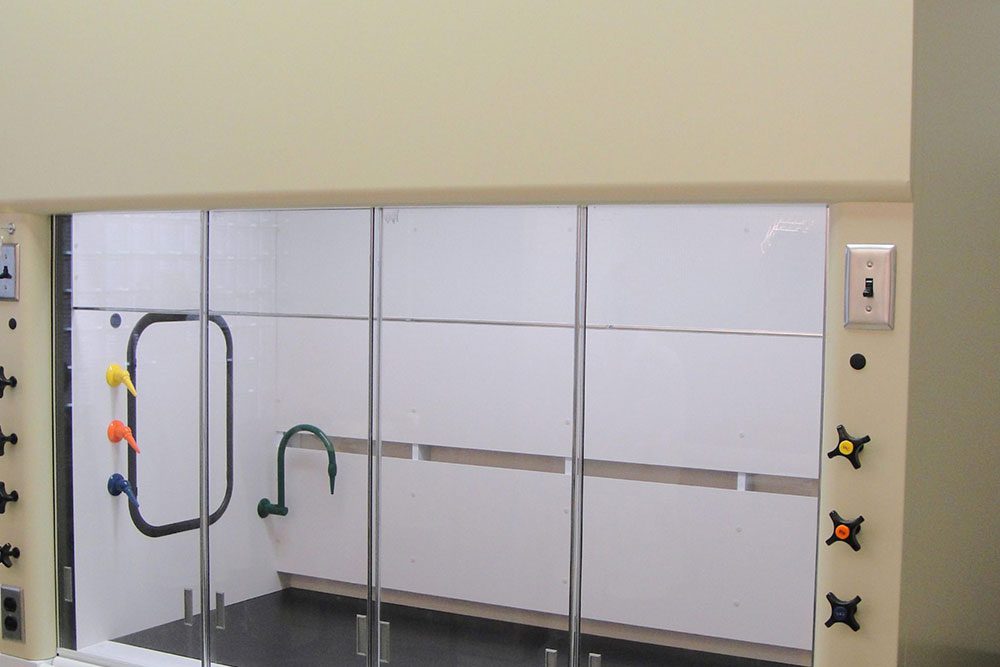
Fume hood design combines proper hood type selection, airflow management, containment performance, and control systems to maintain safety and efficiency in laboratories. Materials, durability, energy efficiency, and customization influence long-term performance and operational cost. Ergonomics, alarms, and operator training support safe and effective use, while integration with HVAC systems results in reliable airflow. LOC Scientific delivers USA-made lab fume hoods with customizable features, high-quality materials, and expert support to optimize lab functionality.
Fume hood design shapes both safety and workflow efficiency in laboratory environments. Properly configured hoods manage chemical vapors and maintain clean air for personnel. Optimized design reduces exposure risks while supporting laboratory productivity.
Correct Fume Hood Type Selection for Laboratory Needs
Choosing the right fume hood aligns with the chemicals and procedures used in the lab. Lab fume hoods vary between ducted, ductless, and specialty hoods designed for unique experiments. Each type affects airflow patterns, containment performance, and operational efficiency.
Ducted hoods remove hazardous vapors outside the building, making them suitable for labs handling toxic compounds. Ductless hoods use filters and work well in smaller-scale setups or space-limited labs. Walk-in or specialty fume hoods accommodate large equipment or simultaneous experiments, offering flexibility without sacrificing safety.
Airflow Requirements and Face Velocity Management
Airflow design influences exposure control and environmental cleanliness. Correct face velocity draws fumes away from the user while minimizing turbulence. Improper airflow can allow vapors to escape, reducing efficiency and increasing risk in a fume hood laboratory.
Variable air volume (VAV) systems adjust airflow based on sash position, saving energy while maintaining containment. Constant volume (CV) systems bring steady airflow but require careful monitoring to prevent underperformance. Customized airflow systems balance safety, energy use, and operational speed.
Containment Performance and Safety Standards
Effective containment prevents hazardous fumes from reaching personnel. Fume hood design should follow recognized testing standards, such as ASHRAE 110, to verify performance. Lab fume hoods must maintain containment even during sash adjustments or operator movements.
Internal baffles and optimized airflow channels improve capture efficiency. The sash acts as a physical barrier while permitting clear visibility. Designs tailored to laboratory operations protect personnel without restricting workflow.
Control Systems and Monitoring
Modern fume hoods often include controls for airflow regulation and alarms. Sensors can track face velocity, sash height, and low-flow conditions, alerting users to unsafe situations. Fume hood laboratories benefit from automation that maintains consistent performance without constant supervision.
Advanced systems minimize human error and optimize energy use. Integrated monitoring allows lab managers to track performance and address issues promptly. Remote access and reporting features support operational oversight.
Compatibility with Lab HVAC and Engineering Controls
Fume hood performance depends on proper integration with a laboratory’s ventilation system. Air makeup, duct sizing, and pressure relationships affect vapor removal. Misaligned systems may create negative pressure or airflow disturbances, reducing hood effectiveness.
Careful design allows fume hoods to operate in harmony with existing HVAC infrastructure. This prevents interference with experiments and maintains a controlled environment. Integration allows adaptation for new or remodeled lab spaces.
Ergonomics and User Accessibility
Operator comfort improves both safety and productivity. Sash height, work surface placement, and control accessibility reduce strain and encourage correct usage. Well-designed fume hood laboratories minimize accidental exposure and improper operation.
Clear sightlines through the sash allow observation without compromising protection. Smooth-moving sashes and intuitive controls accommodate frequent adjustments. Ergonomic layouts enhance workflow efficiency for operators of varying sizes.
Integration with Laboratory Workflow
Fume hoods must accommodate the specific workflow of a laboratory to maintain efficiency. Placement, sash design, and workspace layout influence operator movement and accessibility. A hood that aligns with daily tasks reduces interruptions and improves safety.
Additional accessories, such as shelving, service fixtures, and modular work surfaces, enhance adaptability. Proper integration ensures that equipment, chemicals, and personnel can operate efficiently within the fume hood laboratory. Thoughtful coordination of design supports both safety and productivity.
Materials, Durability, and Maintenance
Durable, chemical-resistant materials protect the hood from corrosion and wear. Lab fume hoods with robust construction require fewer repairs and maintain performance over time. Poor material selection increases downtime and maintenance costs.
High-quality, USA-made components withstand demanding laboratory conditions. Easy maintenance access simplifies filter changes, cleaning, and inspections. Thoughtful material selection improves reliability and reduces long-term operational costs.
Filter Selection and Replacement Practices
The choice of filters in fume hoods affects both containment and air quality. Activated carbon, HEPA, and other specialized filters capture chemical vapors and particulates before exhaust. Proper selection aligns with the chemicals and experiments conducted in the lab fume hood.
Regular filter inspection and timely replacement maintain performance and prevent hazardous exposure. Filters should be easy to access and replace to minimize downtime. Thoughtful design reduces maintenance costs while keeping the hood safe and efficient.
Energy Efficiency and Sustainability Considerations
Fume hoods consume significant energy, especially in labs with multiple units. Designs that incorporate variable air volume systems and efficient exhaust configurations reduce consumption without compromising safety. Lower energy use decreases operating costs while maintaining containment.
Sustainable materials and components, including LED lighting and low-resistance ducts, further enhance efficiency. Energy-conscious design aligns laboratory safety with environmental and budgetary goals. Modern hoods offer long-term savings while maintaining high performance.
Safety Alarms and Emergency Features
Alarms alert users to low airflow, improper sash positioning, or system failures. Visual and auditory signals serve as immediate warnings to prevent hazardous exposure. Emergency shutoff mechanisms allow rapid response during incidents.
Clearly labeled controls guide operators during abnormal conditions. Integrated alarms enhance containment reliability and personnel protection. Safety systems complement airflow and containment design to create a complete solution.
Training and Operator Practices
Even the most advanced fume hoods rely on correct operation to function properly. Users must understand sash positioning, airflow monitoring, and proper chemical handling. Regular training reduces risks and improves efficiency in a fume hood laboratory.
Labels and visual cues incorporated into the hood guide operators during tasks. Training resources that come with installations reinforce safe practices. Ongoing education helps labs maintain compliance and optimize performance.
Customization and Flexibility
Laboratories vary in workflow, chemicals, and equipment, requiring tailored solutions. Adjustable baffles, modular accessories, and configurable work surfaces accommodate changing requirements. Customizable hoods adapt to evolving experiments without sacrificing containment.
Made-to-order features allow labs to integrate specialized functions seamlessly. Flexible design improves workflow efficiency and user confidence. Laboratories can adapt quickly to new procedures and experiments.
LOC Scientific: Expertise in Safe and Efficient Lab Fume Hoods
Experience, knowledge, and superior customer support make a significant difference in fume hood performance. LOC Scientific combines high-quality USA-made materials with precise customization. Timely delivery and professional installation maximize both safety and efficiency in laboratory environments. Contact our team today to find the right solution for your lab.
FAQs
Consider the type of chemicals used, the size of equipment, airflow requirements, containment performance, control systems, energy efficiency, and available space. Customization options can help tailor the fume hood to your lab’s specific needs.
Fume hoods should be tested upon installation, after major changes, and at least annually. Regular maintenance includes inspecting airflow, cleaning surfaces, replacing filters if applicable, and checking alarms to maintain safety and efficiency.
Yes. Designs using variable air volume systems, energy-efficient lighting, low-resistance ducts, and proper integration with HVAC systems can reduce energy consumption without compromising containment or lab safety.
LOC Scientific designs and manufactures USA-made lab fume hoods with customizable features, high-quality materials, fast installation, and superior customer support. Each unit is tailored to the laboratory’s workflow and safety requirements.