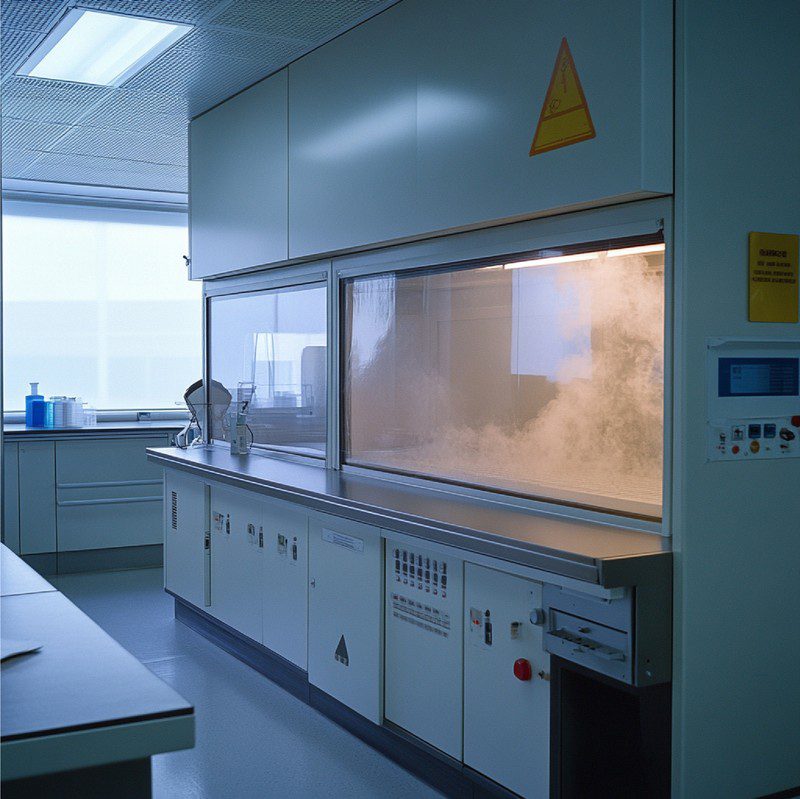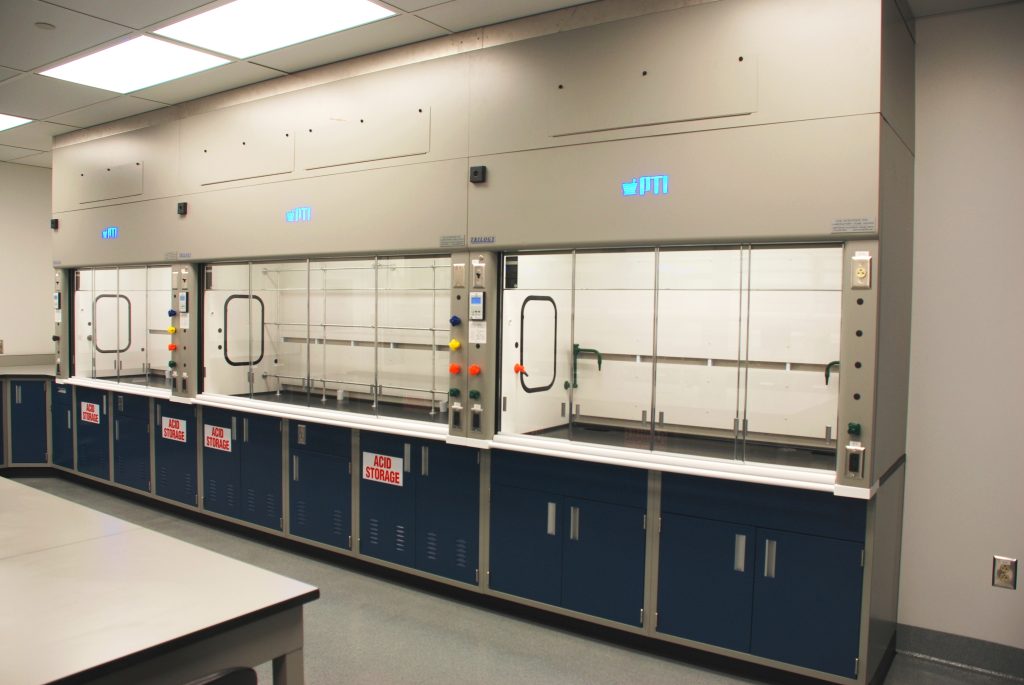
Fume hood calibration is a critical aspect of laboratory safety. Proper calibration ensures that your fume hood effectively removes hazardous fumes, vapors, and dust, providing a safe working environment. Regular calibration is necessary to maintain performance and comply with safety regulations. Whether you’re a lab technician or facility manager, understanding how to calibrate a fume hood can make a significant difference in ensuring safety and efficiency.
While some fume hood designs have very specific purposes, it’s important to view your choice of laboratory fume hoods comprehensively. When expanding your laboratory and upgrading your fume hood setup, consider these areas to find the best fit for your lab. This will help you evaluate your needs fully before making a decision.
Designing a crime lab layout is far from straightforward. These facilities must balance technology with workflow organization to deliver the precision required for modern forensic investigations.
Creating an effective chemistry lab design for educational institutions involves more than just arranging equipment and furniture. It requires careful consideration of safety, functionality, and aesthetics to foster an environment that enhances learning and experimentation.
Fume hoods play a critical role in guaranteeing the safety and efficiency of laboratories by expelling harmful fumes and vapors. Whether you are working with chemicals, organic compounds, or biological agents, proper fume hood installation is essential to maintaining a safe lab environment. With over three decades of experience designing, selling, and installing high-quality laboratory equipment, LOC Scientific offers this comprehensive guide to help you understand the key steps of installing a fume hood.
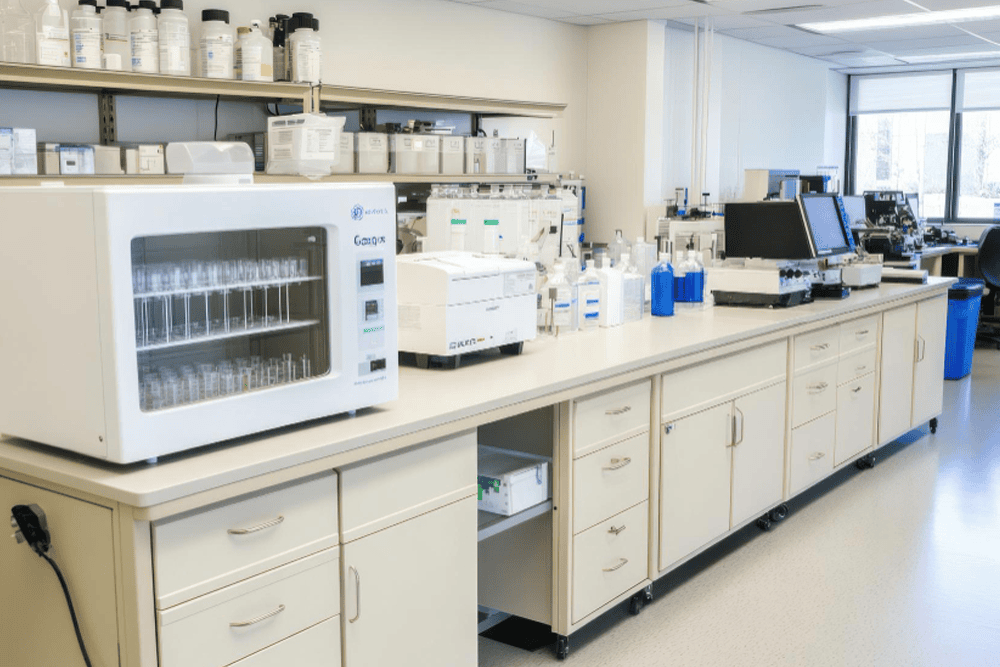
Laboratory equipment impacts the accuracy and efficiency of scientific research. Neglecting proper care can lead to operational setbacks, inaccurate results, and even safety hazards. Conversely, a well-maintained laboratory maintains smoother operations, improved productivity, and a longer lifespan for your equipment.
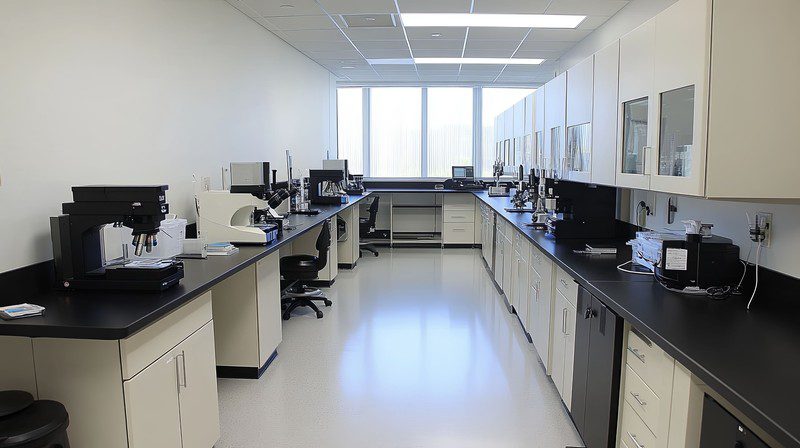
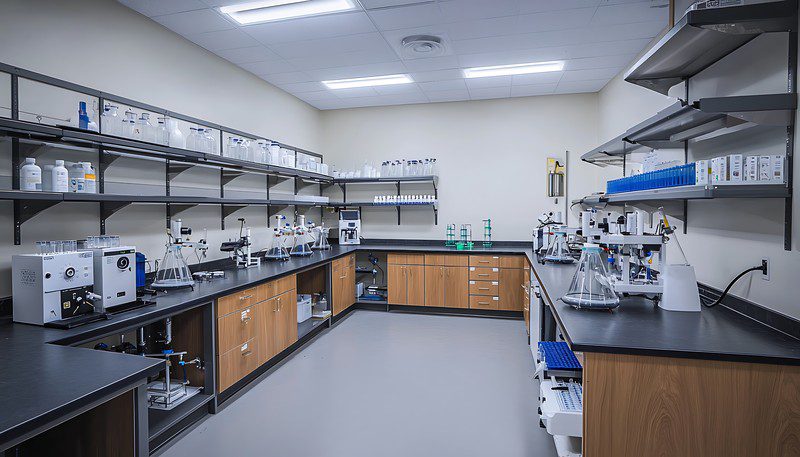
Designing an efficient laboratory workspace is key to boosting both productivity and safety. Modern lab design ideas prioritize optimizing functionality, enhancing workflow, and creating a secure environment for all users. Whether you’re setting up a new lab from scratch or renovating an existing one, these ideas will guide you in crafting a workspace that meets your needs and maximizes efficiency.
Using a fume hood correctly is essential for safety in any lab setting. However, some common fume hood mistakes can compromise containment, putting lab personnel at risk. Understanding and avoiding these errors will help ensure that the fume hood functions as intended, effectively containing hazardous fumes and protecting everyone in the lab.
Selecting the right types of laboratory benches is key to ensuring efficiency, safety, and productivity in any research environment. From durability to ease of maintenance, the features of these benches can significantly impact your workspace. Read on to discover the ideal lab bench for your specific needs as we detail diverse materials and their unique advantages.
Choosing the right lab countertop material can make a significant difference in your lab’s efficiency and safety. Each material has unique properties, catering to various laboratory needs. Here are popular options to help you decide which one is best suited for your lab.