
Laboratory Countertops: Choosing The Best Option
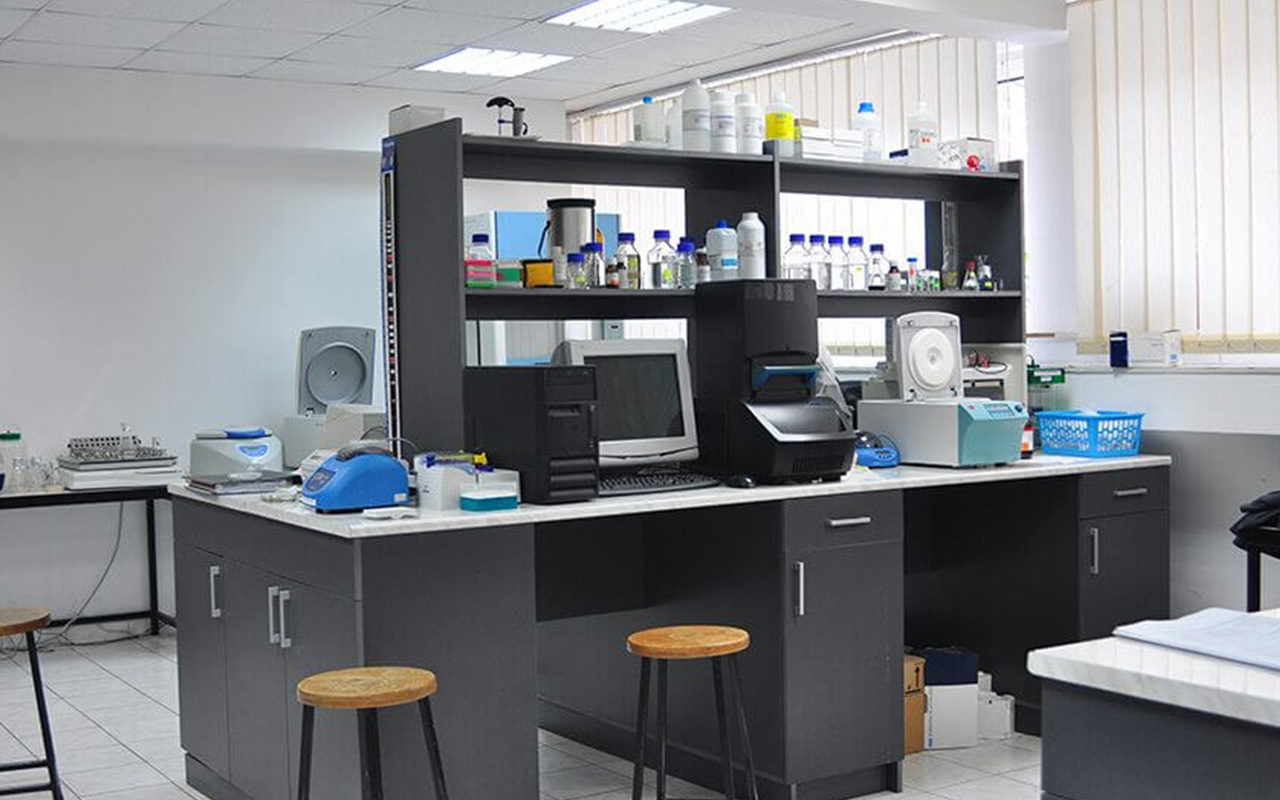
Choosing between laboratory countertops comes down to three questions: which chemicals the surface will meet, how much heat it has to take, and how it will be cleaned. This guide compares epoxy resin, phenolic resin, stainless steel and laminate against those three demands, so lab managers, facility planners and anyone specifying a new bench can match the material to the work.
| Material | Chemical resistance | Heat resistance | Best use |
|---|---|---|---|
| Epoxy resin | Excellent | Excellent | Heavy chemical use and high-heat applications |
| Phenolic resin | Very good | Good | General labs balancing cost and durability; antimicrobial, lighter weight |
| Stainless steel | Very good | Excellent | Sterile, hygiene-critical labs (medical, pharmaceutical, research) |
| Laminate | Limited | Limited | Budget-conscious labs with minimal chemical exposure |
Key Considerations for Laboratory Countertops
Start with the work the bench has to do. Chemical exposure, heat from equipment or open flames, moisture around sinks, the weight of the instruments standing on it and the cleaning products used on it all narrow the choice before budget does. A surface that is non-porous, corrosion-resistant and quick to wipe down keeps the lab safe and cuts maintenance; one chosen on price alone is usually the one replaced first.
Epoxy Resin: Superior Chemical Resistance
Epoxy resin countertops are the default where harsh chemicals and high heat are part of the daily routine. The material is moulded solid and non-porous, so acids, solvents and stains cannot soak in, and it takes direct heat better than any other resin surface.
The trade-off is weight and surface hardness. Epoxy is heavy enough to need properly rated casework underneath, and heavy instruments dragged across it can leave scratches. Cleaned with non-abrasive products and resealed when needed, it stays serviceable for decades.
Stainless Steel: Durability and Hygiene
Stainless steel countertops are the choice for hygiene-critical work — medical, pharmaceutical and research labs where contamination control comes first. The surface is non-porous, takes repeated sanitising and high heat, and resists corrosion from most reagents.
It is the most expensive of the four materials and it shows scratches and water marks, so it is normally specified where sterility matters more than appearance. Against that, it does not stain, absorb or discolour, which makes it the easiest of the four to prove clean.
Phenolic Resin: A Durable and Affordable Option
Phenolic resin countertops sit between epoxy and laminate on both cost and performance. They resist chemicals, moisture and moderate heat, they are antimicrobial, and they weigh considerably less than epoxy, which makes them easier to retrofit onto existing casework.
They will not take the sustained high temperatures epoxy or stainless steel handle, so they suit general-purpose labs rather than high-heat benches. Maintenance is light: routine cleaning is enough to keep the surface intact.
Laminate: Budget-conscious and Practical
Laminate is the budget option, and the right one only where chemical exposure is light — teaching labs, dry benches, write-up areas and office-adjacent workspaces. It comes in the widest choice of colours and finishes of anything in our countertop and sink range, at a fraction of the cost of epoxy or steel.
Its limits are real: spills left standing can lift the surface at the seams, and it will not tolerate solvents or direct heat. For anything involving reagents or hot equipment, one of the other three materials is the safer specification.
Frequently Asked Questions
Most labs use epoxy resin, phenolic resin, or stainless steel. Epoxy resin suits heavy chemical use and high heat, phenolic resin balances cost and durability for general labs, and stainless steel suits sterile, hygiene-critical spaces. Laminate works for budget labs with little chemical exposure.
Black lab countertops are usually epoxy resin, a non-porous surface that resists strong chemicals, stains, and heat. Phenolic resin, which is available in a range of colors and finishes, is a lighter, lower-cost option for moderate chemical use.
Start with what the surface will face: the chemicals in use, heat from equipment or open flames, your cleaning routine, and budget. Then match the material: epoxy resin for heavy chemicals and heat, phenolic resin for general labs, stainless steel for sterile work, and laminate for light use.
For a wider look at the options, read Exploring The Types Of Chemistry Lab Countertops and 6 Types Of Lab Countertop Materials: Which One Is Right For You?
LOC Scientific: Your Partner in Creating the Perfect Lab Workspace
At LOC Scientific, we specialize in offering high-quality laboratory sinks and countertops and sinks tailored to your specific needs. Our product specialists can help you choose the right material, whether you require resistance to chemicals, heat, or moisture. From epoxy resin to stainless steel and phenolic resin, we have options to fit any lab environment.
If you’re ready to make an informed decision, contact us today at 877-527-5775. Let us help you create a durable, functional workspace that stands the test of time.