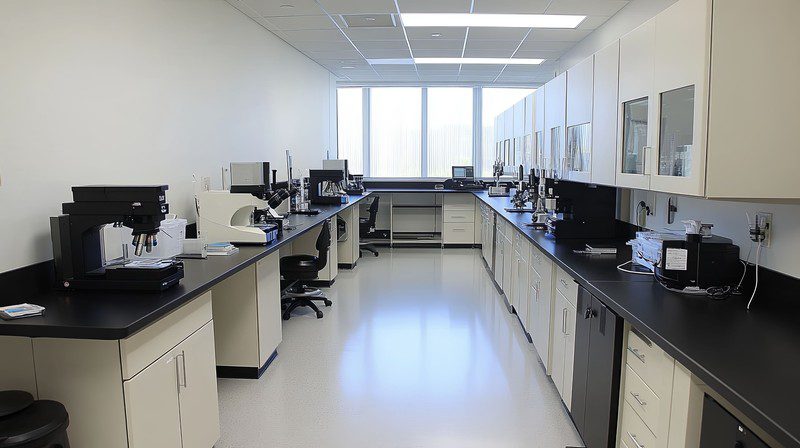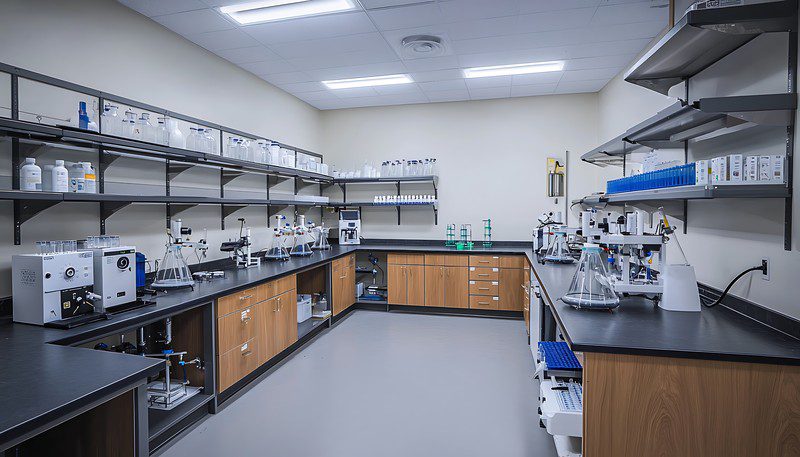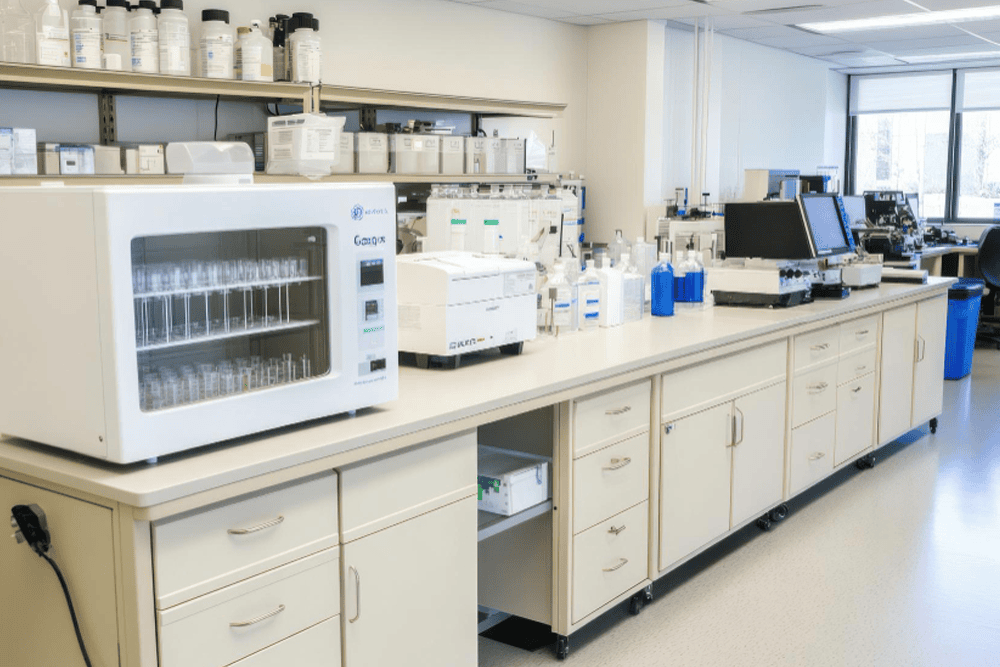
A medical laboratory requires a deep understanding of both scientific requirements and practical layout considerations. A well-thought-out medical laboratory design can make a significant difference in the lab’s efficiency and safety.
Lab countertops are more than just surfaces—they’re your workspace’s foundation. Whether handling chemicals or biological materials, a clean countertop means better results and a safer environment. If you’re wondering how to clean lab countertops effectively, these tips will help you maintain a safe and hygienic environment.
Maintaining safety in a laboratory environment is paramount, and one of the critical components in achieving this is regular fume hood inspections. Fume hoods play a vital role in protecting lab personnel from hazardous fumes, vapors, and dust. But how often should fume hoods be inspected to ensure their effectiveness?
Laboratory environments operate at the intersection of precision, speed, and compliance. With growing demands for diagnostics, innovative research, and operational excellence, efficient workflow management is necessary. Lab project management provides the framework to align processes with organizational goals while maintaining the highest quality standards.
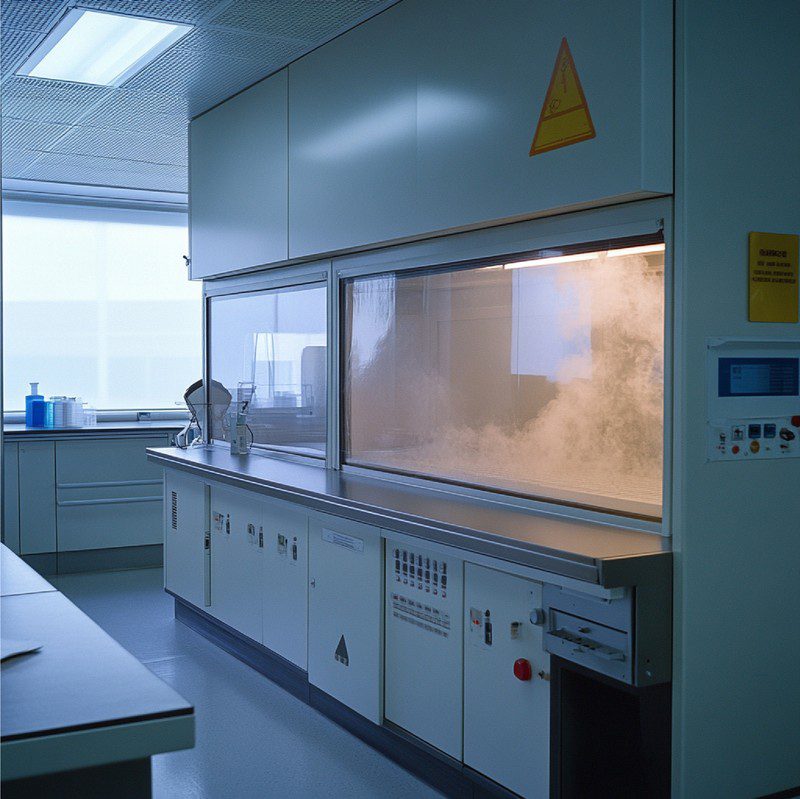
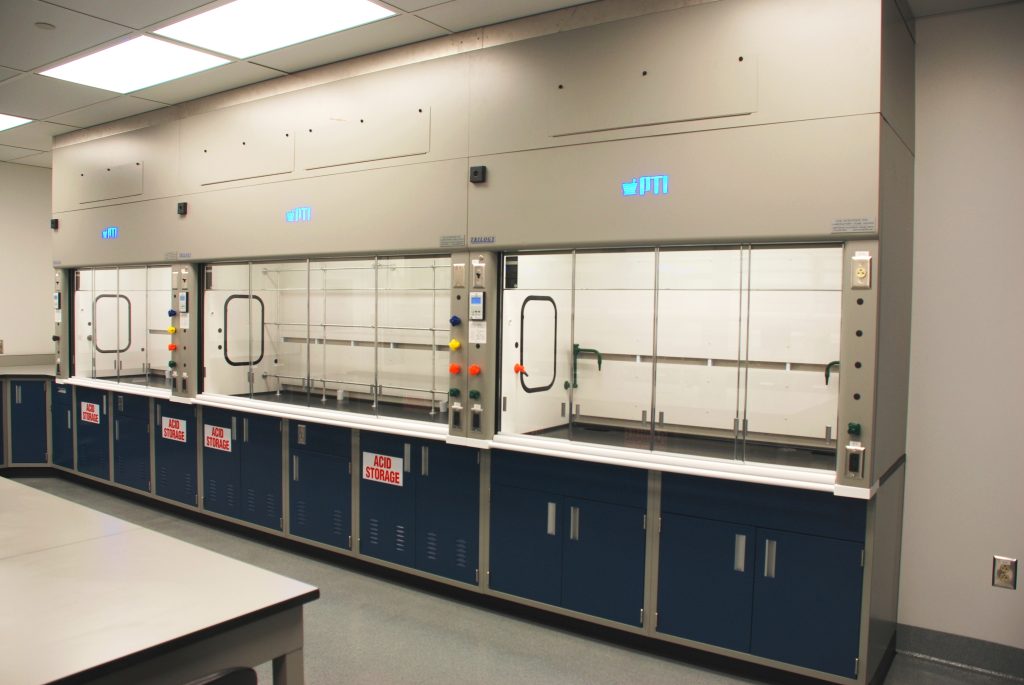
Creating a safe lab environment relies on understanding how a fume hood works. This vital equipment is designed to shield lab personnel from potentially harmful fumes by drawing in air, trapping contaminants, and safely venting them away. Through its effective mechanics and strategic design, a fume hood offers reliable protection, supporting the safety and health of those working in laboratory settings.
Since the early 1800’s, the development of laboratory furniture has improved leaps and bounds thanks to new advances in technology and methods of construction. At the time where scientific curiosity and experimentation began, there were scarce to no signs of laboratory furniture production. Experimental tools were created by each individual scientist for his own work. By the end of this century, science instruments began being produced on a small scale, and scientist turned their reliance to this market, instead of their own developments. Most of the tools were made of wood, and some were made of metal.
Fume hood controls are necessary parts of laboratory settings. They allow users to regulate airflow, maintain safety, and protect individuals from hazardous substances.
These controls play a major role in making sure that fume hoods operate efficiently and offer maximum protection during experiments. Laboratories often deal with toxic or volatile chemicals, and effective fume hood controls are needed to handle these materials safely.
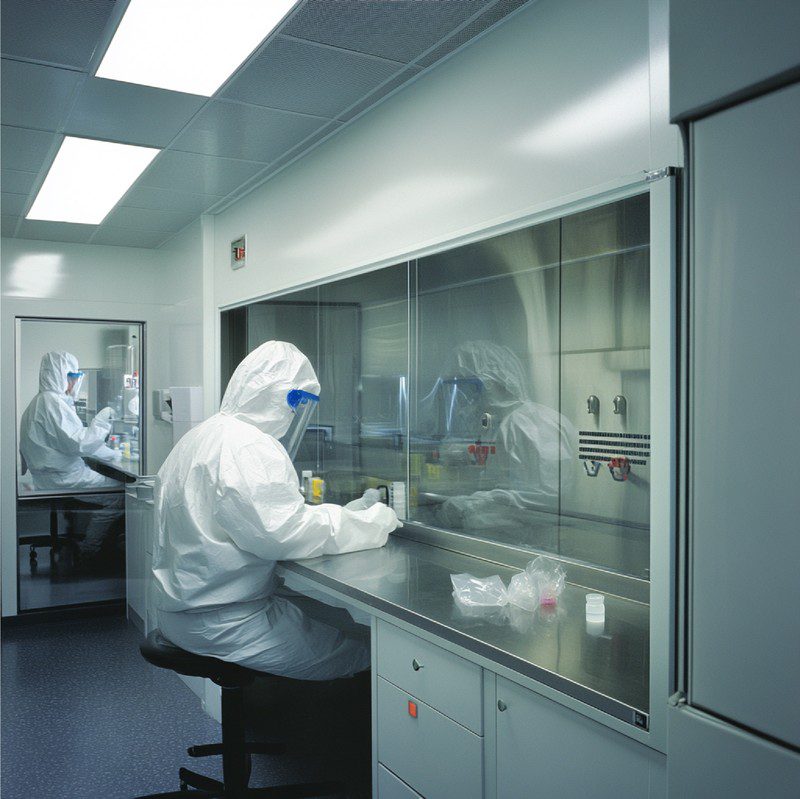
When working in a laboratory environment, selecting the right equipment is critical for guaranteeing both safety and efficiency. Two key pieces of equipment that often come up in discussions about air control and filtration are the fume hood and the laminar flow hood. While both are designed to manage airflow and create safer working conditions, their functions are distinct, and choosing between them depends on your specific laboratory requirements.
When working in a laboratory setting, safety is always a top priority. Scientists and technicians regularly handle hazardous substances that require special equipment to protect themselves and their environment. The debate between a fume hood vs. biosafety cabinet often arises when considering laboratory safety measures. Although they may seem similar at first glance, they serve different purposes and are tailored to specific needs. Understanding these differences helps ensure proper safety and compliance in any lab.
When remodeling or designing a new laboratory it’s important to consider the individual demands and workloads fume hoods will face. No one fume hood is built the same so it’s imperative to find the ideal application for your research or lab work at your specific location.