Blog

Blog

Ductless Fume Hood Vs. Ducted: What’s The Difference?

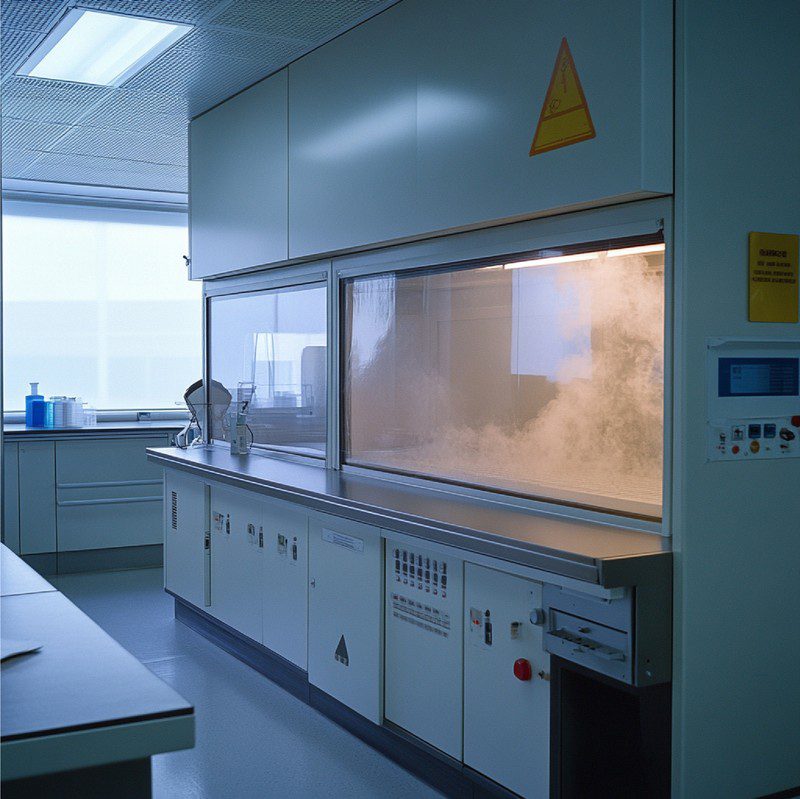
When it comes to laboratory safety, fume hoods are crucial to protect users from hazardous fumes, vapors, and dust. Two main types of fume hoods are commonly used in labs: ductless fume hoods and ducted fume hoods.

Continue reading “Ductless Fume Hood Vs. Ducted: What’s The Difference?”

Do Flammable Cabinets Need To Be Vented?

Flammable cabinets are designed to keep hazardous chemicals and materials stored safely. A common question that arises is:Do flammable cabinets need to be vented?

The answer to this depends on various factors, including the type of chemicals you’re storing, local regulations, and the environment in which the cabinet is placed. In this article, we’ll look into the importance of venting flammable cabinets and explore when it is necessary.

Continue reading “Do Flammable Cabinets Need To Be Vented?”

Cleaning and Care of Epoxy Resin Countertops

The advantages of epoxy resin lab countertops are undeniable. These surfaces offer durability, are flame and moisture-resistant, and can withstand most chemical spills. Because of these qualities, epoxy resin countertops are preferred for laboratory environments where resilience and performance are necessary.

Continue reading “Cleaning and Care of Epoxy Resin Countertops”

Cleaning and Care for Trespa Phenolic Resin Counter Tops

Trespa phenolic resin countertops are widely recognized for their durability and high resistance to chemical agents, making them a top choice for laboratory environments. However, even though these countertops are almost impervious to most spills and contaminants, they still require proper cleaning and care to make sure of longevity and performance.

Continue reading “Cleaning and Care for Trespa Phenolic Resin Counter Tops”

Choosing The Right Laboratory Seating For An Effective Workspace

The foundation of any productive laboratory lies in the tools and furniture that support daily tasks. One of the most important yet often overlooked components is laboratory seating. When seating matches the specific demands of a lab environment, it can significantly improve efficiency, comfort, and safety.

Continue reading “Choosing The Right Laboratory Seating For An Effective Workspace”

Choosing The Right Lab Bench Material For Your Workspace

Selecting the right lab bench material is one of your most important decisions when designing a laboratory. The material you choose impacts your workspace’s safety, durability, and functionality. It directly influences the efficiency of daily operations. From handling chemicals to supporting sensitive instruments, every factor requires careful consideration.

Continue reading “Choosing The Right Lab Bench Material For Your Workspace”

Choosing The Right Fume Hood Blower For Your Lab

When setting up or upgrading your lab, selecting the right fume hood blower is essential to maintaining a safe, efficient, and functional workspace. Fume hoods are critical in ensuring the air quality in your lab is properly regulated, preventing exposure to harmful chemicals or fumes. A high-quality lab fume hood protects users and optimizes airflow, which can help maintain productivity and safety.

Continue reading “Choosing The Right Fume Hood Blower For Your Lab”

Best Practices For Effective Biosafety Cabinet Decontamination

Biosafety cabinets (BSCs) are essential for maintaining a safe and controlled environment in laboratories. Whether handling hazardous materials or conducting sensitive experiments, decontamination is vital for protecting both personnel and the integrity of research.

Continue reading “Best Practices For Effective Biosafety Cabinet Decontamination”

Benefits Of Evidence Drying Cabinet For Forensic Laboratory

The stakes in forensic investigations are always high. Every piece of biological evidence holds the potential to crack a case or secure justice. Maintaining the integrity of this evidence is a responsibility.

Continue reading “Benefits Of Evidence Drying Cabinet For Forensic Laboratory”

ASHRAE 110: What You Need to Know About Fume Hood Safety Inspections

The main purpose of installing a fume hood in a laboratory is safety. It’s that simple. The better the fume hood, the safer the employee and when it comes to toxic chemicals and tracer gases, you can’t be too careful. Because the safety standard is so high for labs, it’s not only critical to have your fume hood testing annually, it’s also illegal not to. The fume hood testing standard is known as the ASHRAE 110 and here’s what you need to know about.

Continue reading “ASHRAE 110: What You Need to Know About Fume Hood Safety Inspections”

Let's Begin Your Project Today