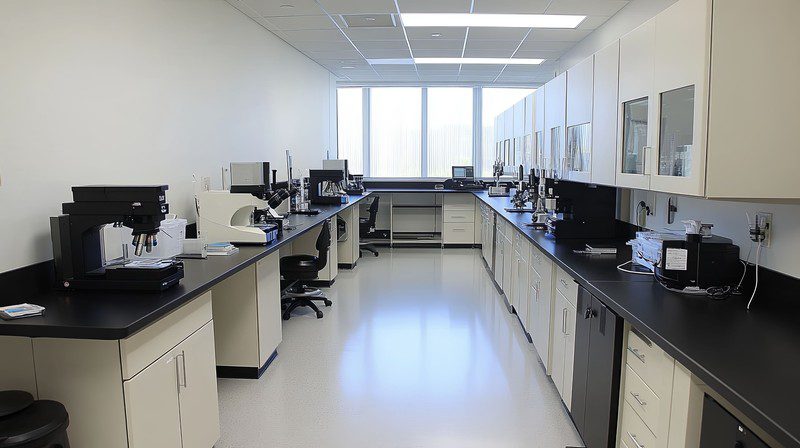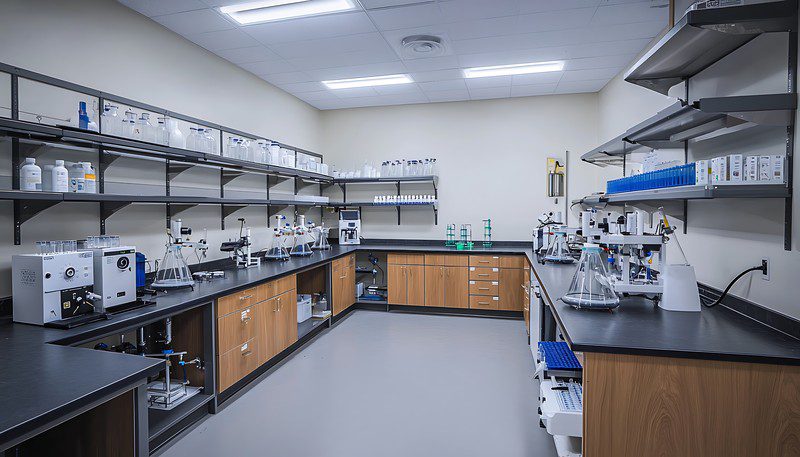
Crafting a laboratory that combines safety and efficiency is important for life sciences, healthcare, and research industries. A well-designed laboratory directly impacts productivity, collaboration, and innovation.
Selecting the right laboratory countertop is a decision that directly impacts the functionality, safety, and longevity of your lab. The appropriate material needs to withstand chemical exposure, high temperatures, and frequent use. Given the variety of options available, it’s important to understand the strengths and limitations of each material to ensure your lab is equipped with the most suitable surface.
A laboratory balance table does more than just hold equipment. It is the foundation that ensures accuracy in every measurement, from the simplest to the most complex experiments. With its vibration-resistant design and stability features, this table plays a critical role in delivering reliable results every time.
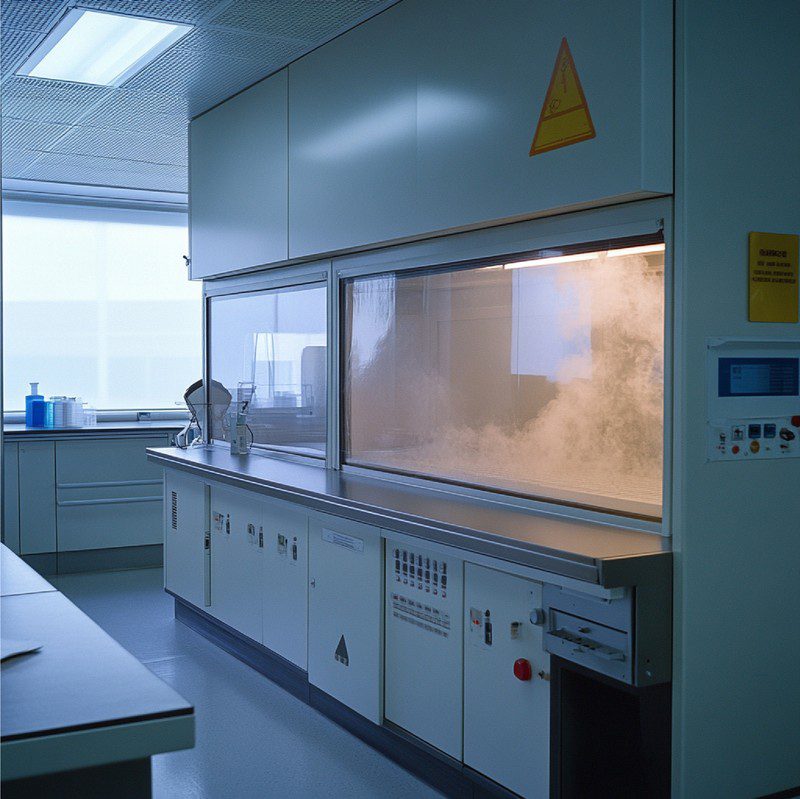
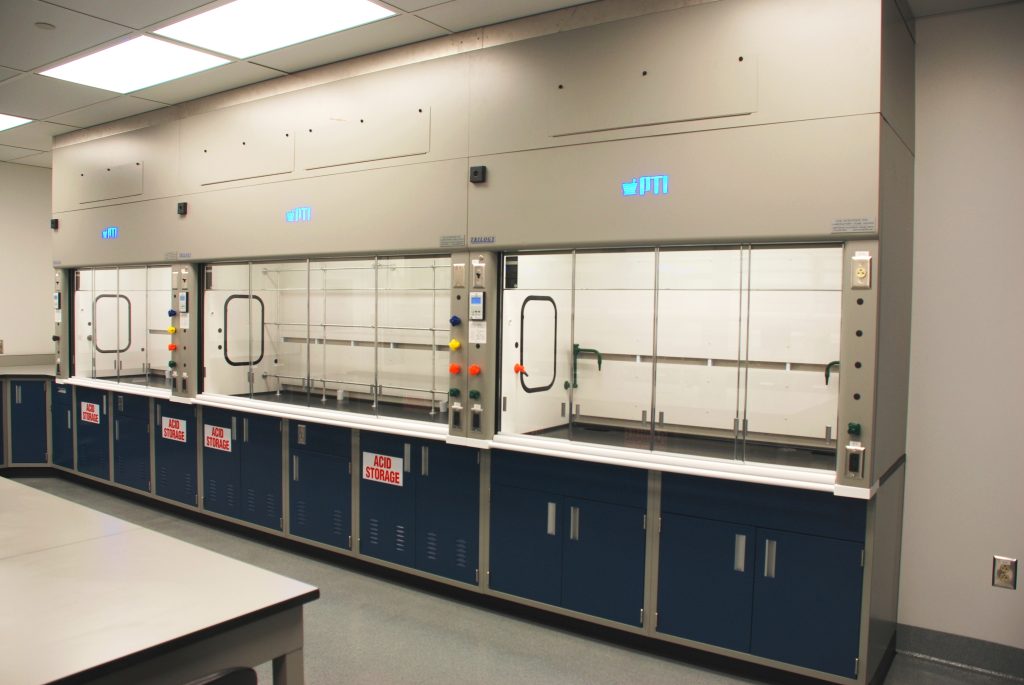
Determining which laboratory fume hood is right for your lab is a very important decision. Mostly it depends on what you will be using the lab for but other factors, such as operator convenience and ease-of-use, budget as well as ventilation duct design also play key roles. Luckily, the market for fume hoods has expanded which provides different lab fume hood options for different uses. Here is a quick list of the different types of fume hoods and purposes.
Laboratory countertops face heavy use. They withstand chemicals, heat, and constant traffic. Over time, they may show signs of wear and tear. Knowing when to replace laboratory countertops can save you from bigger issues down the road. Whether it’s a medical lab, research facility, or industrial setting, the condition of your countertops can impact safety, functionality, and overall performance.
When designing or upgrading a laboratory, choosing the right equipment is vital for efficiency and safety. Among the essential pieces of equipment is the fume hood, which plays a major role in protecting lab personnel from hazardous fumes and chemicals. A recirculating fume hood offers a unique approach to handling air quality, but is it the best fit for your laboratory? Let’s understand their features, advantages, and limitations to help you make an informed decision.
In any laboratory environment, safety, durability, and functionality are of utmost importance. Metal laboratory cabinets offer the ideal solution for lab storage needs, bringing not only longevity but also resistance to the harsh conditions often present in scientific spaces. Whether storing chemicals, equipment, or sensitive materials, metal cabinets deliver on all fronts, making them a critical component of modern laboratories. Let us take a closer look at the features and benefits that make metal laboratory cabinets the go-to choice for labs across industries.
Ask any scientist who’s studied the body, and you’ll get a consensus: The human body wasn’t meant to sit all day. Yet scientists routinely ignore health and safety in the laboratory with subpar chairs, resulting in a lack of comfort, poor posture and long-term health issues.
Fume hoods are one of the most important purchases for maximizing lab safety. Because these hoods are used often, they can experience normal wear and tear and may eventually need upgrading. When deciding when to replace fume hood equipment, safety should always be at the forefront of your mind.
Knowing how to use a fume hood safely in the laboratory is essential for protecting yourself and your colleagues from harmful fumes and airborne contaminants. A fume hood is a ventilation device designed to capture and contain hazardous substances, keeping the air in the lab clean. Follow these steps to ensure safe and effective fume hood operation.