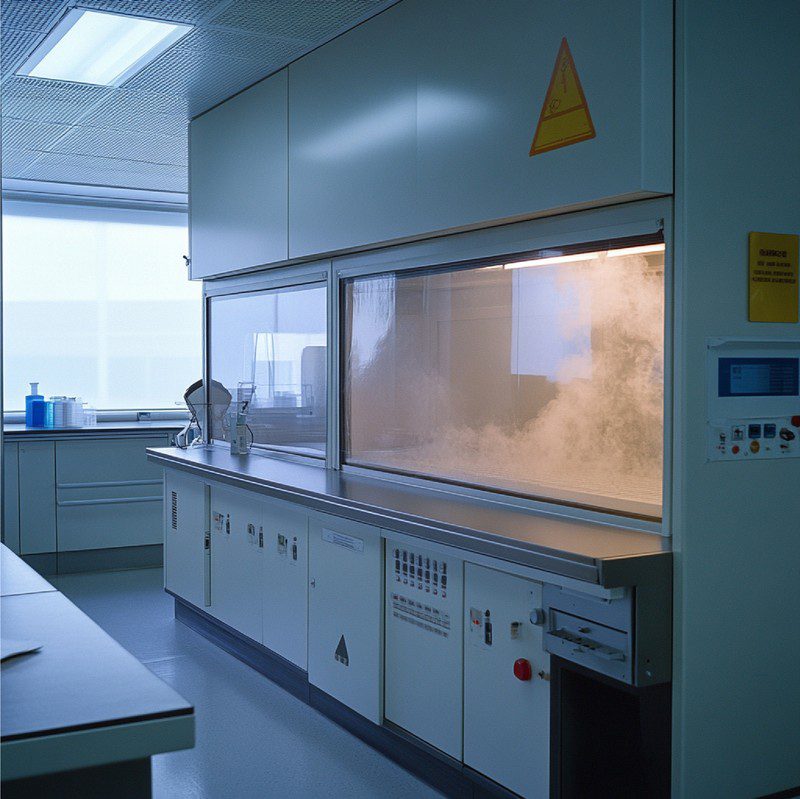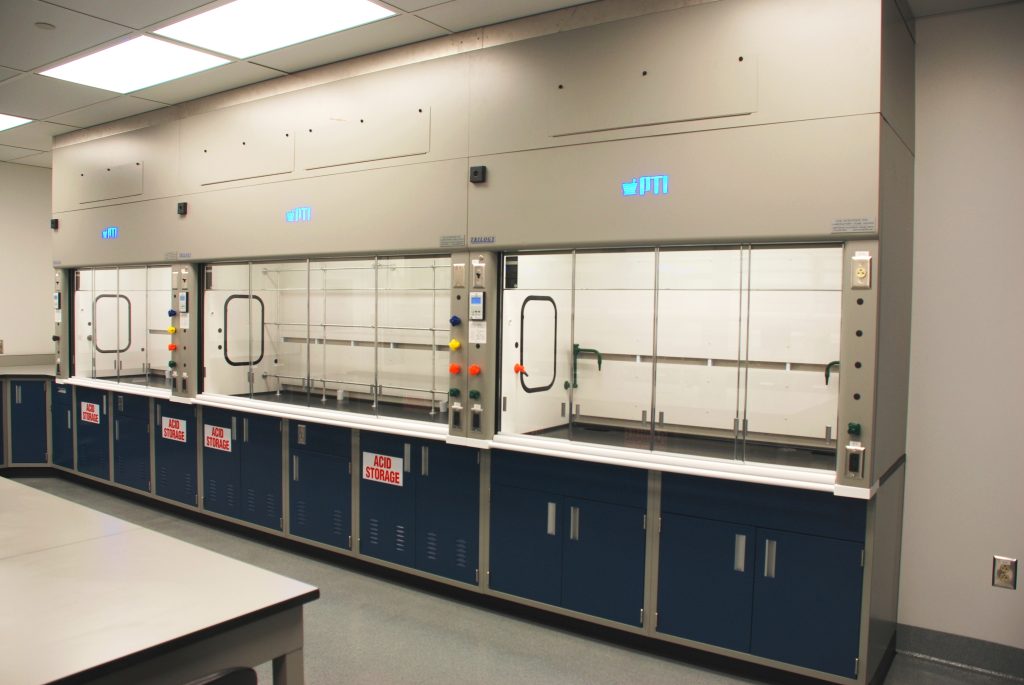
Laboratory safety relies heavily on maintaining effective ventilation systems. Fume hood certification plays a pivotal role in verifying that these hoods perform optimally to protect lab personnel from exposure to harmful airborne contaminants. Through this certification process, hoods are thoroughly tested to confirm they meet established airflow, containment, and safety standards. Regular compliance with these requirements creates a secure environment, especially in labs that work with hazardous substances.
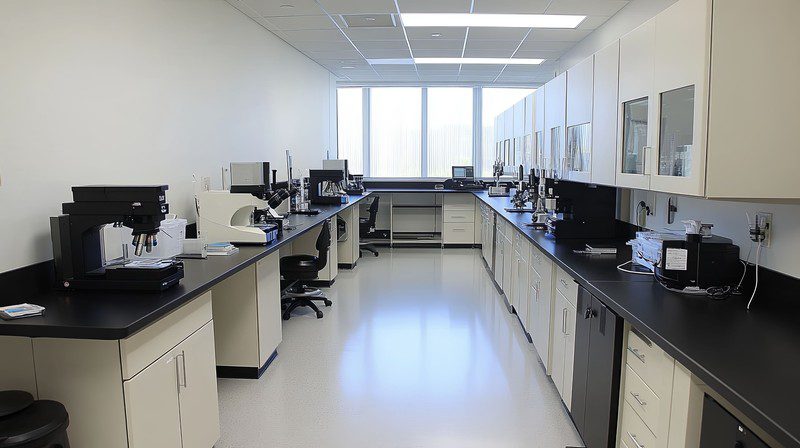
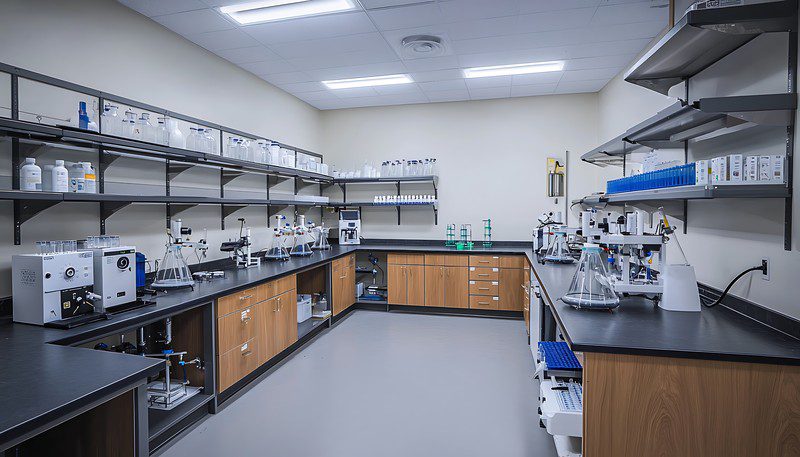
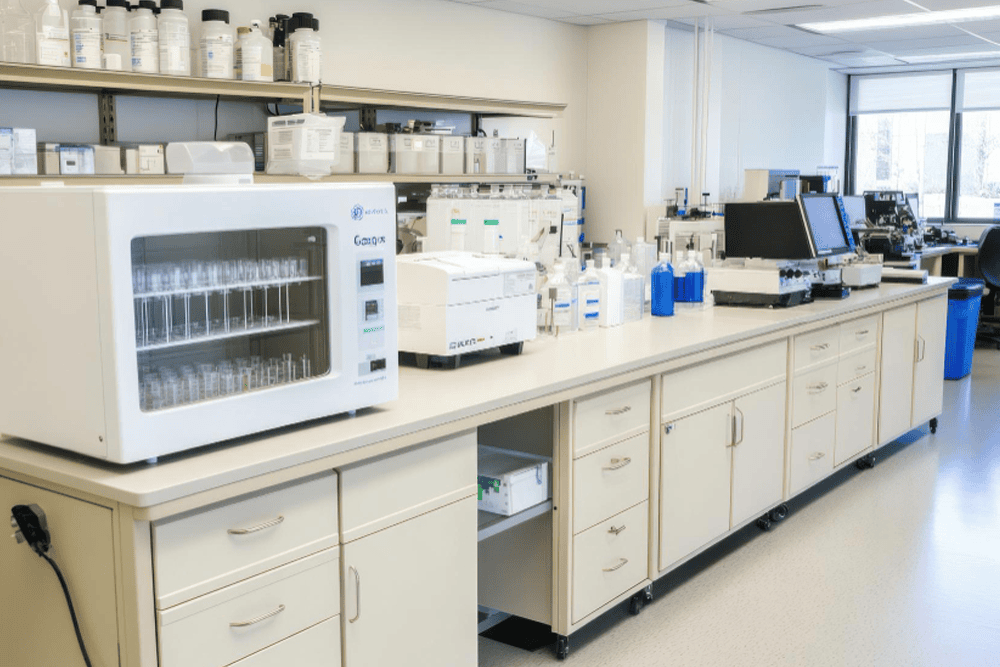
When it comes to food lab design, creating a space that supports safety, cleanliness, and efficiency is non-negotiable. The layout, equipment, and materials chosen for the lab must be in keeping with both industry standards and the specific needs of the lab’s functions.
A well-thought-out design can directly impact the quality of testing, research, and food production, while minimizing risks. From selecting fume hoods to planning the use of countertops and cabinets, each design element matters in order to achieve an effective and safe lab environment.
Workstations, like other aspects of a lab are designed to meet specific needs for those using it. Not every work station is developed the same and many offer very different features, ergonomics and durability. Finding the correct modular workstation is key to the productivity, safety and convenience of working environments in your lab
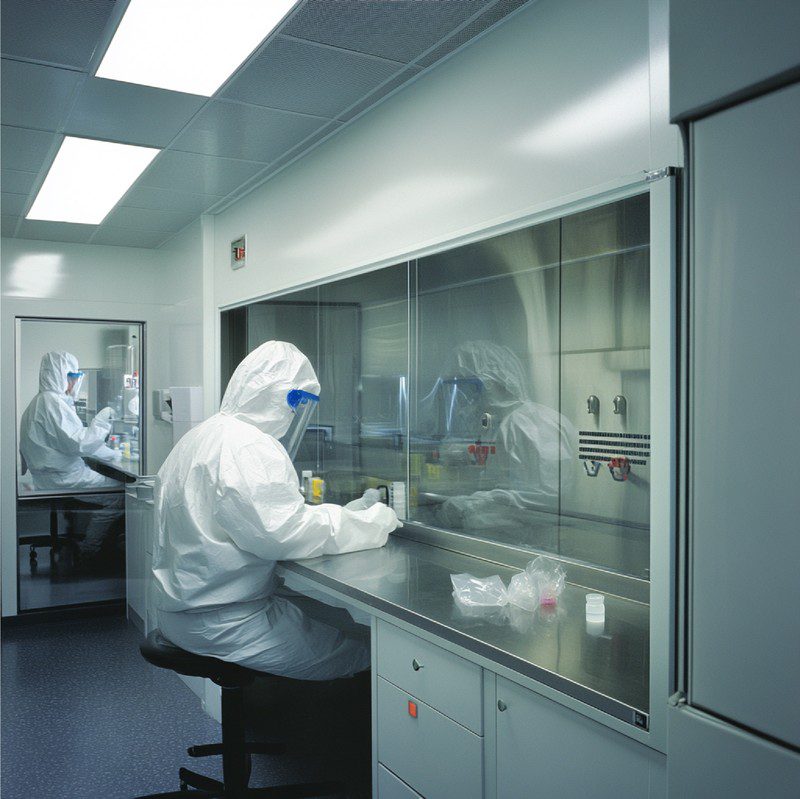
Biosafety cabinets (BSCs) are fundamental components in laboratories that handle hazardous biological materials. Designed to give varying levels of protection to laboratory personnel, the environment, and products, these cabinets ensure safety during the manipulation of biological agents.
Selecting the right chemistry lab countertops goes beyond just aesthetics. In labs where chemicals, heat, and constant wear-and-tear are part of the daily routine, the material you choose must stand up to the challenge. With so many options available, finding the right balance of durability, resistance, and functionality is key. Read on to discover the top countertop materials and their unique benefits so you can make an informed decision for your lab’s specific needs.
In any laboratory setting, the right fume hood accessories can significantly improve both safety and efficiency. From airflow monitors to specialized containment solutions, these additions help ensure your fume hood performs optimally, protecting lab personnel from harmful fumes and chemicals. Here’s a look at some essential accessories to consider for a safer, more effective workspace.
When your lab is a whirlwind of chemical reactions, precise measurements, and constant activity, you need a countertop that’s up to the challenge. Epoxy resin lab countertops are built to stand strong, resisting heat, chemicals, and the daily demands of lab work. These countertops are tough, reliable, and designed to last, making them the unsung heroes of many high-performance labs. Here’s why they deserve a prime spot in your workspace.
When it comes to laboratory safety, fume hoods are crucial to protect users from hazardous fumes, vapors, and dust. Two main types of fume hoods are commonly used in labs: ductless fume hoods and ducted fume hoods.
Flammable cabinets are designed to keep hazardous chemicals and materials stored safely. A common question that arises is:Do flammable cabinets need to be vented?
The answer to this depends on various factors, including the type of chemicals you’re storing, local regulations, and the environment in which the cabinet is placed. In this article, we’ll look into the importance of venting flammable cabinets and explore when it is necessary.
The advantages of epoxy resin countertops are undeniable. These surfaces offer durability, are flame and moisture-resistant, and can withstand most chemical spills. Because of these qualities, epoxy resin countertops are preferred for laboratory environments where resilience and performance are necessary.