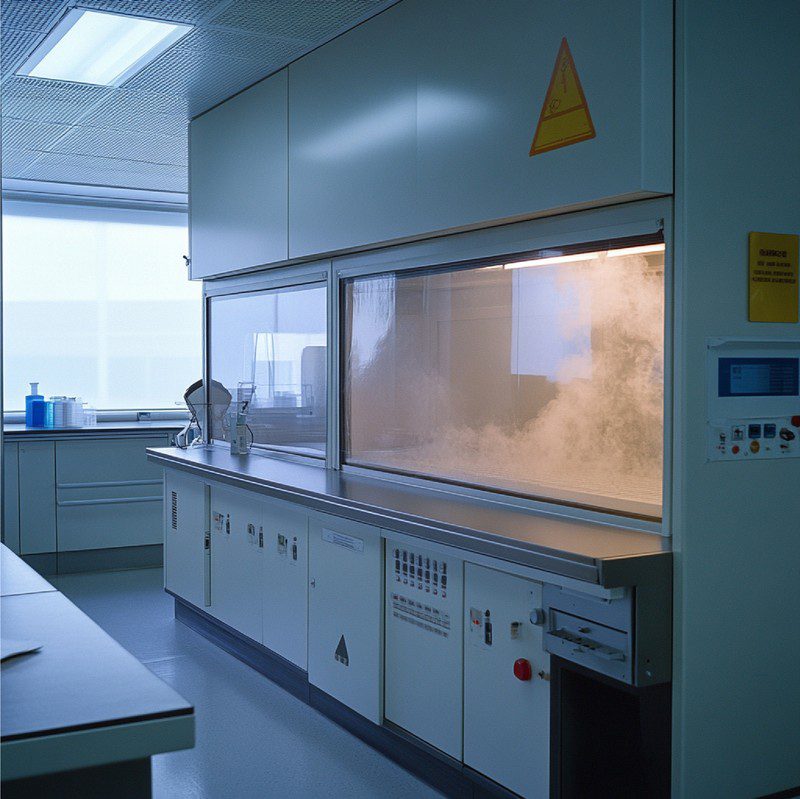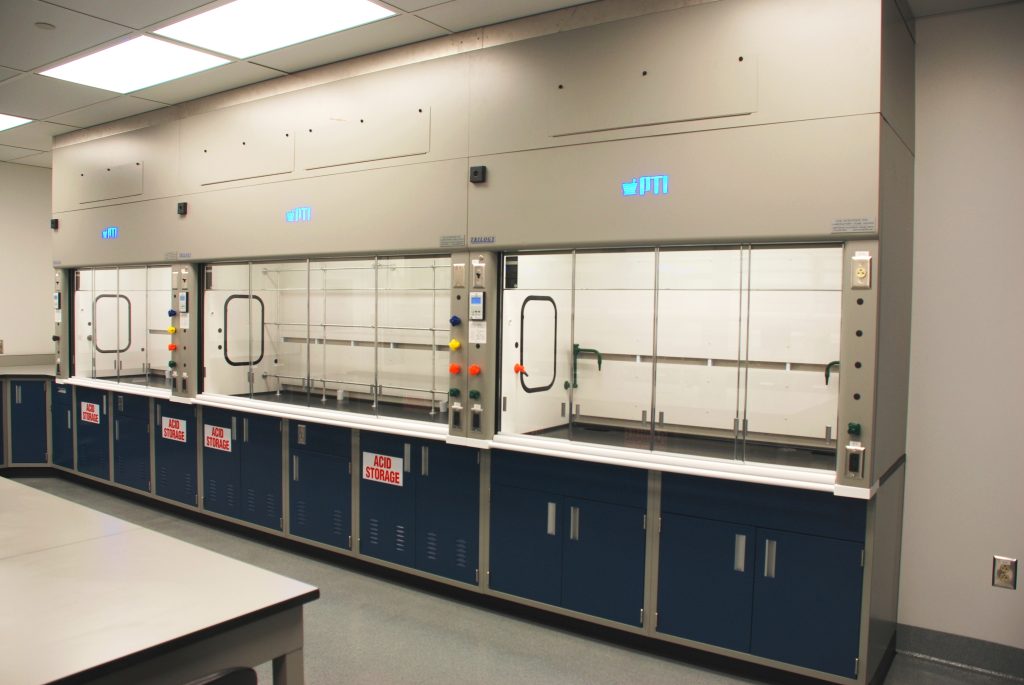
Understanding OSHA flammable storage requirements is essential for creating a safe lab environment. These guidelines provide the standards for safely storing flammable liquids, ensuring lab personnel are protected and fire risks are minimized. Complying with OSHA standards also helps labs avoid penalties and maintain an organized, secure workspace.
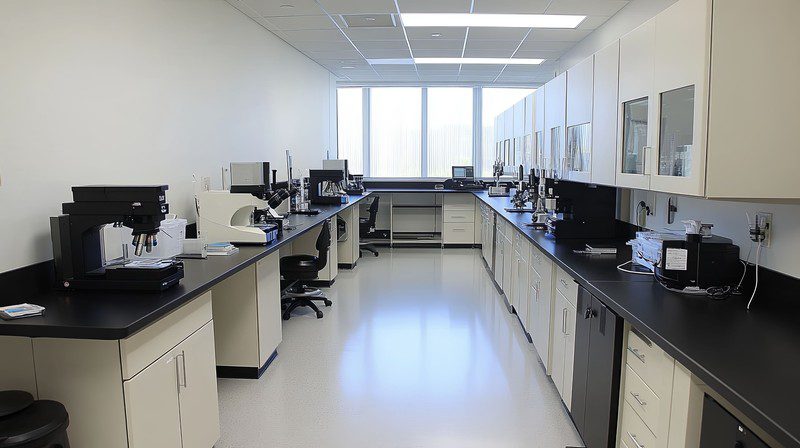
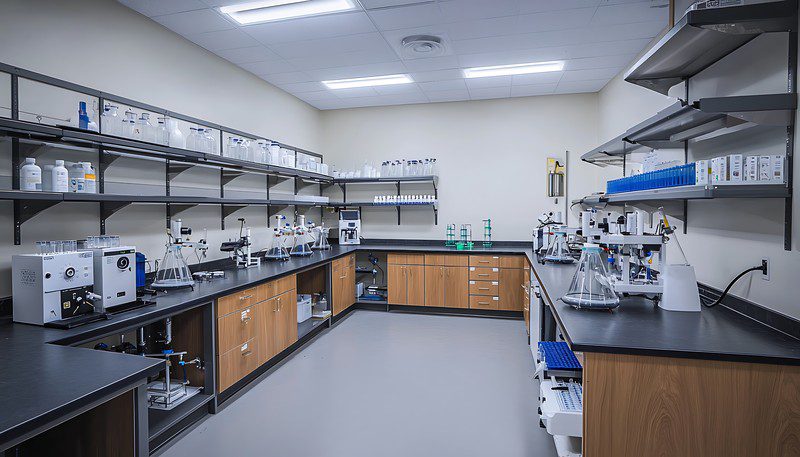
Whether designing a new lab from the ground up, or doing a complete renovation, there are many things to consider. So many decisions, in fact, that it’s easy to get lost in the details. The simplest way to assure that you’ve covered everything in your scientific laboratory design is to break the lab down into its basic working parts and go through the plan one area at a time. This article focuses on the fixtures that you need to build a lab that’s right for you and fully operational.
Laboratories are evolving environments where flexibility and adaptability are critical to maintaining productivity and efficiency. This is where modular lab furniture comes in. Unlike traditional fixed-case furniture, modular systems allow labs to easily adjust, expand, and reconfigure workspaces to meet changing needs.
Water purity is an important factor in laboratory operations. It directly influences the accuracy of results and the longevity of equipment. Laboratories require water of specific grades. These grades range from Type-III for general washing to Type-I for advanced analytical techniques such as ICP-MS.
When designing a healthcare facility, the right medical countertops can make all the difference. These surfaces are more than just functional; they must meet the specific demands of medical environments. From infection control to durability, there are several key factors to consider when selecting the ideal countertop material for your clinic, hospital, or laboratory.
A scientific research laboratory is a busy environment. It’s filled with constant activity from researchers or their machines and tools. Over time, technological advancements have made many processes easier. However, actual efficiency often starts with the workspace itself.
At LOC Scientific we get frequent questions regarding lab design, materials and installation. It’s our goal to not only provide the products you need for your lab, but assist in educating you about the materials and their ideal uses. Here are a few key questions we’ve answered recently.
Crafting a laboratory that combines safety and efficiency is important for life sciences, healthcare, and research industries. A well-designed laboratory directly impacts productivity, collaboration, and innovation.
Selecting the right laboratory countertop is a decision that directly impacts the functionality, safety, and longevity of your lab. The appropriate material needs to withstand chemical exposure, high temperatures, and frequent use. Given the variety of options available, it’s important to understand the strengths and limitations of each material to ensure your lab is equipped with the most suitable surface.
A laboratory balance table does more than just hold equipment. It is the foundation that ensures accuracy in every measurement, from the simplest to the most complex experiments. With its vibration-resistant design and stability features, this table plays a critical role in delivering reliable results every time.