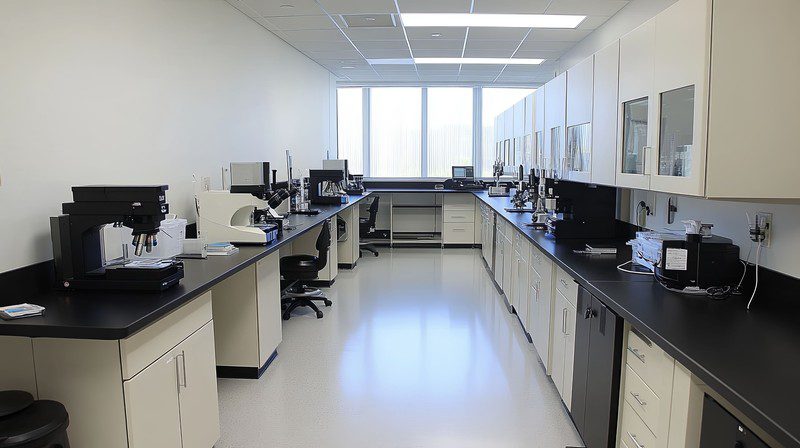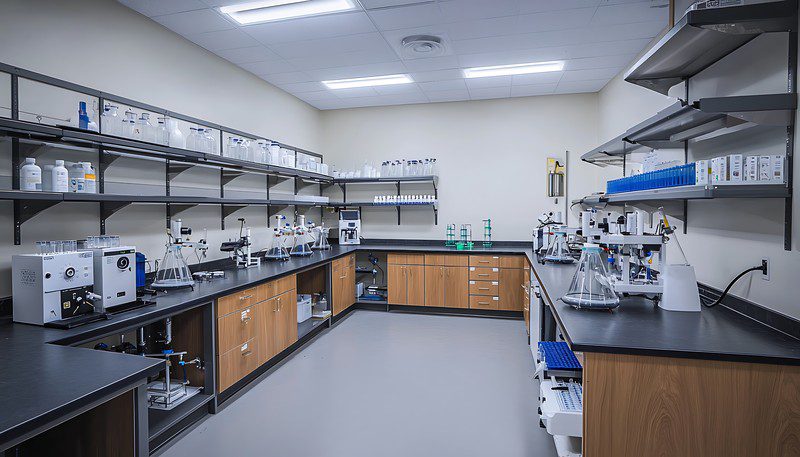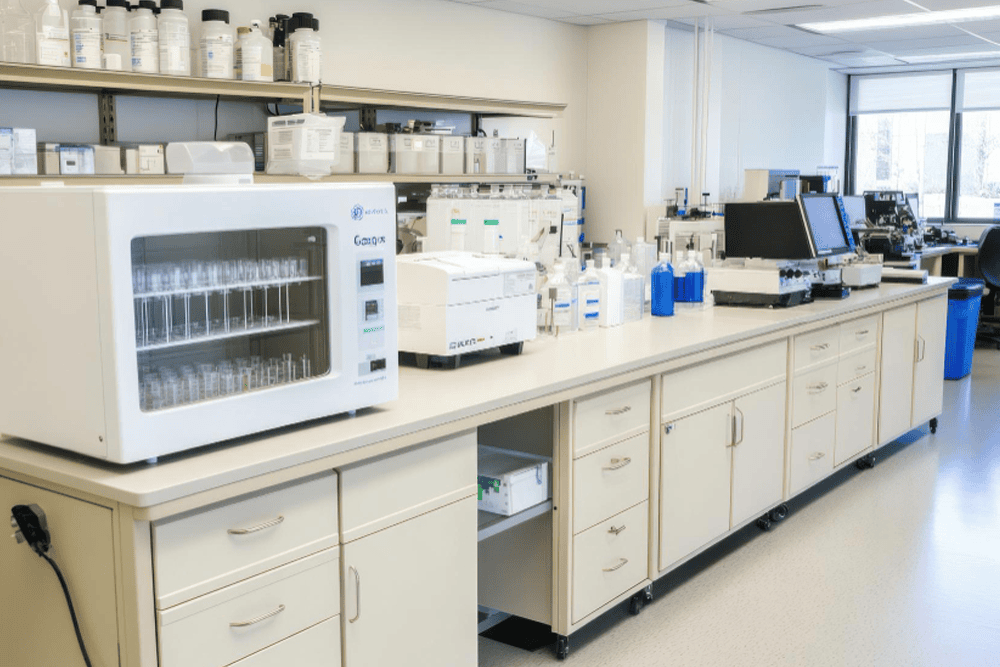
Creating a well-organized and functional dental lab workspace requires selecting the right dental lab furniture. From workstations to specialized cabinets, each piece plays a crucial role in supporting the precision work that dental technicians perform daily. Whether you are outfitting a new lab or upgrading your current one, knowing the types of furniture available will help optimize efficiency, safety, and comfort for technicians.
Every laboratory has different demands, and maintaining clean and uncontaminated glassware is non-negotiable. While many schools and labs use traditional dishwashers as a budget-friendly option, their limitations often fall short of meeting laboratory standards. This is where the specialized lab dishwasher comes into play. This equipment can meet the stringent requirements of a laboratory environment.
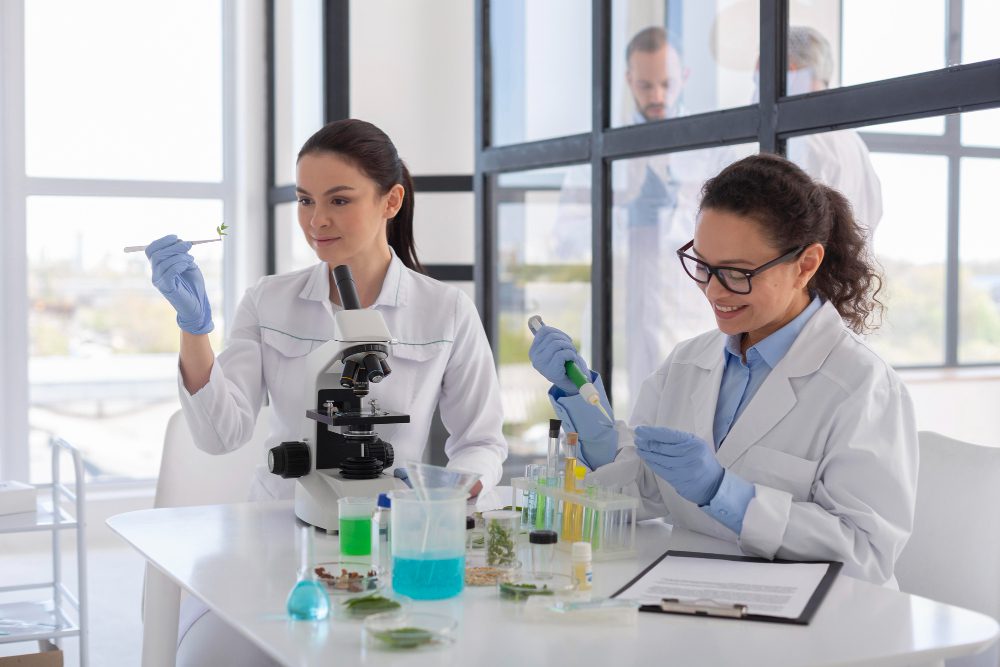
Most jobs are stressful in one way or another and lab workers are no exception. In fact, when it comes to the body they may be the rule as many lab positions require repetitive motions for long periods of time. In addition, misuse of the body within these repetitive motions only adds to the stress. In an effort to understand and hopefully minimize lab stress and employee turnover, here are the top stressors and how to combat them effectively.
Your lab’s countertop and cabinet choices are two of the most important lab furniture decisions you can make for your lab. They handle most of the daily tasks therefore they encounter the brunt of the ongoing wear and tear in your lab. Taking the time to know what types of material are available is critical for choosing a product that will serve your application for years to come. Here are some tips to consider before making your decision.
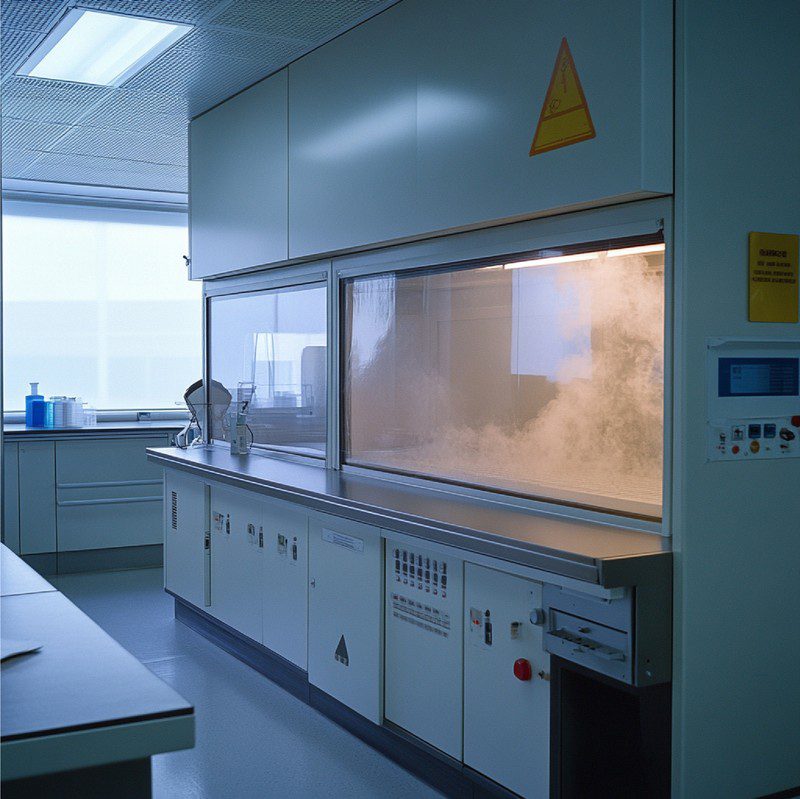
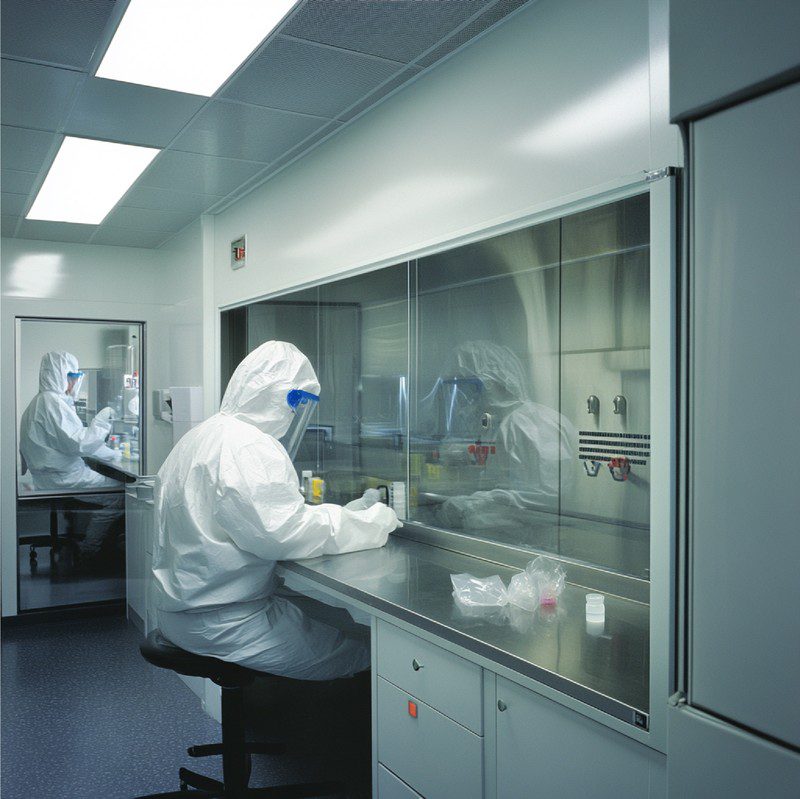
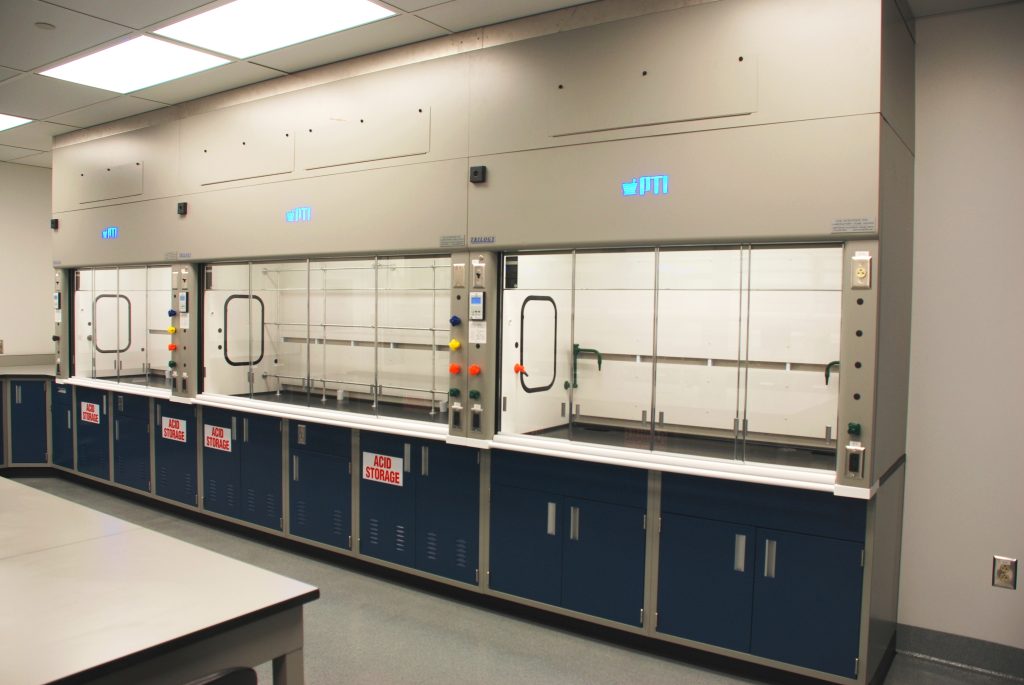
A demonstration fume hood is an important feature in educational and research environments where visibility and safety are top priorities. These specialized hoods are designed with clear panels. They provide 360-degree viewing for observers during laboratory experiments or demonstrations.
In laboratories where hazardous substances are part of the daily routine, maintaining safety protocols is non-negotiable. One of the most critical components in this safety arsenal is the fume hood. Whether you’re in a bustling chemistry lab, a cutting-edge medical research facility, or any environment handling volatile chemicals, ensuring proper fume hood maintenance is imperative for protecting both personnel and the environment.
In a laboratory, fixtures aren’t just pieces of equipment—they’re the silent guardians that keep the environment safe. From sturdy workbenches to advanced fume hoods, laboratory fixtures help maintain a controlled space where experiments can unfold without risk. The right fixtures transform a lab from a potential hazard zone into a well-oiled, safe, and efficient workspace.
The choice of countertop material in your lab plays a major role in ensuring safety and efficiency. Stainless steel countertops have become a staple in laboratories due to their durability, easy maintenance, and resistance to various chemicals. This guide examines the pros and cons of stainless steel countertops to help you determine if they are the right choice for your lab environment.
Epoxy countertops have gained popularity for those looking to update their spaces with a modern and sleek appearance. With their glossy finish and durability, epoxy countertops offer a unique alternative to traditional materials like granite and marble. However, they come with their own set of advantages and disadvantages. Here are the pros and cons of epoxy countertops to help you determine if they are the right fit for your needs.
Proper maintenance is a critical aspect of keeping laboratories running smoothly. Regular upkeep of equipment, furniture, and systems helps maintain safety, accuracy, and productivity. Without it, even the best lab setups can become inefficient or hazardous. Let’s find out the reasons why laboratory maintenance matters and how it can save you time, money, and stress.