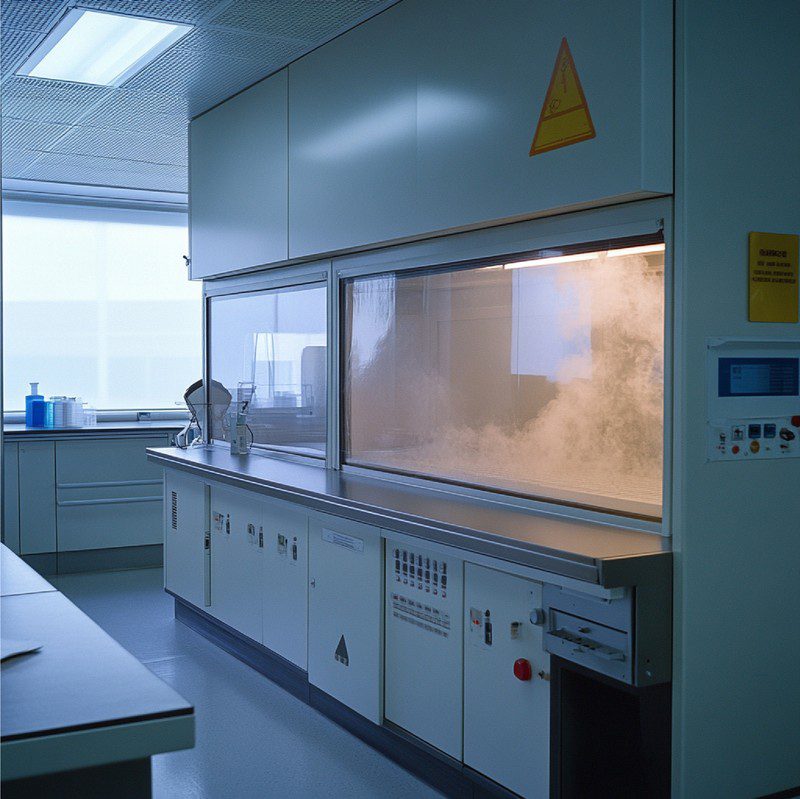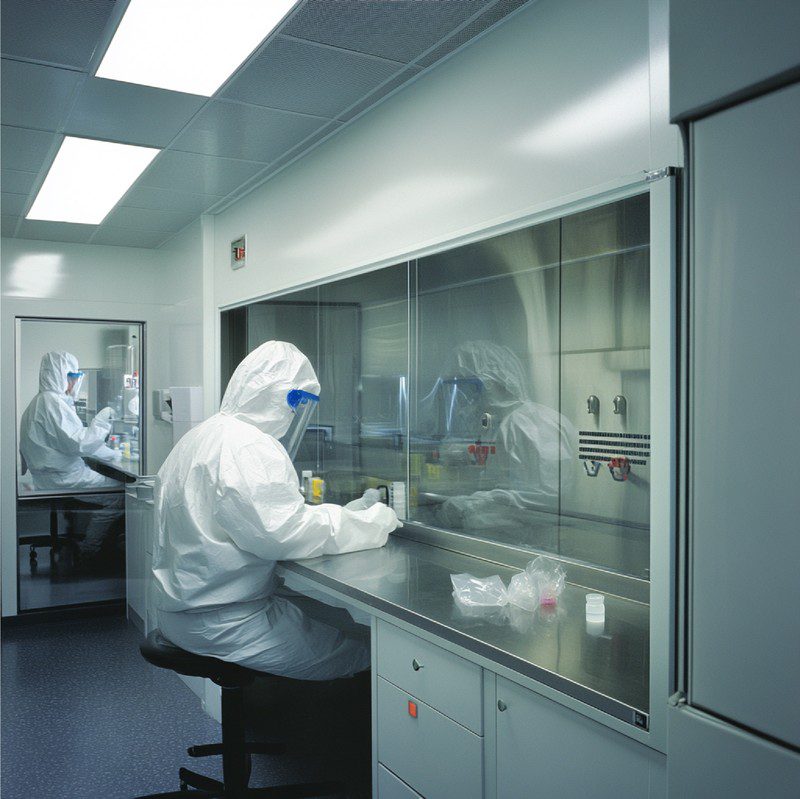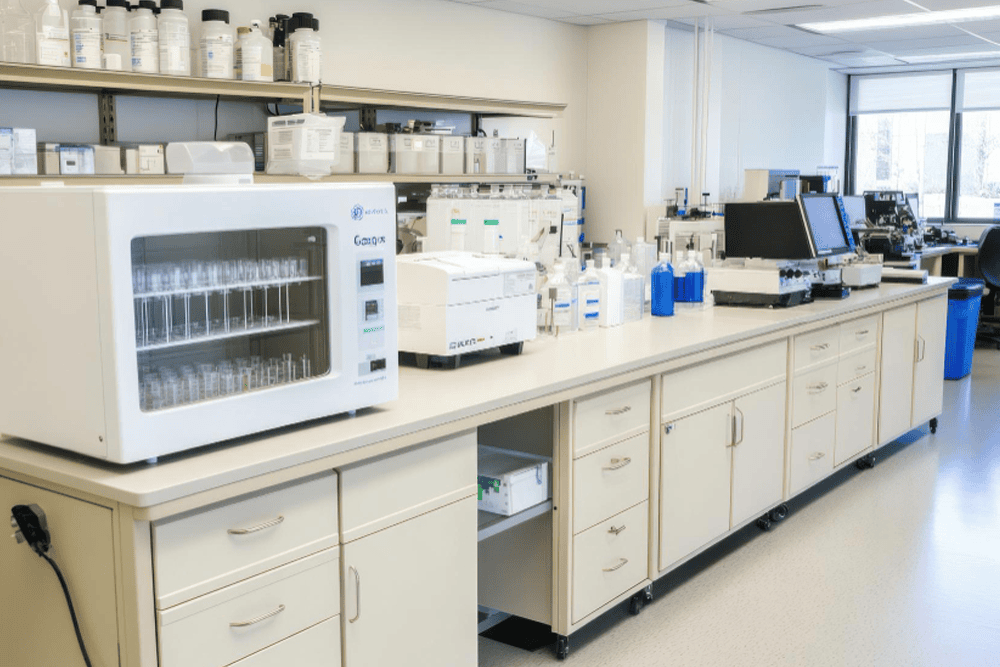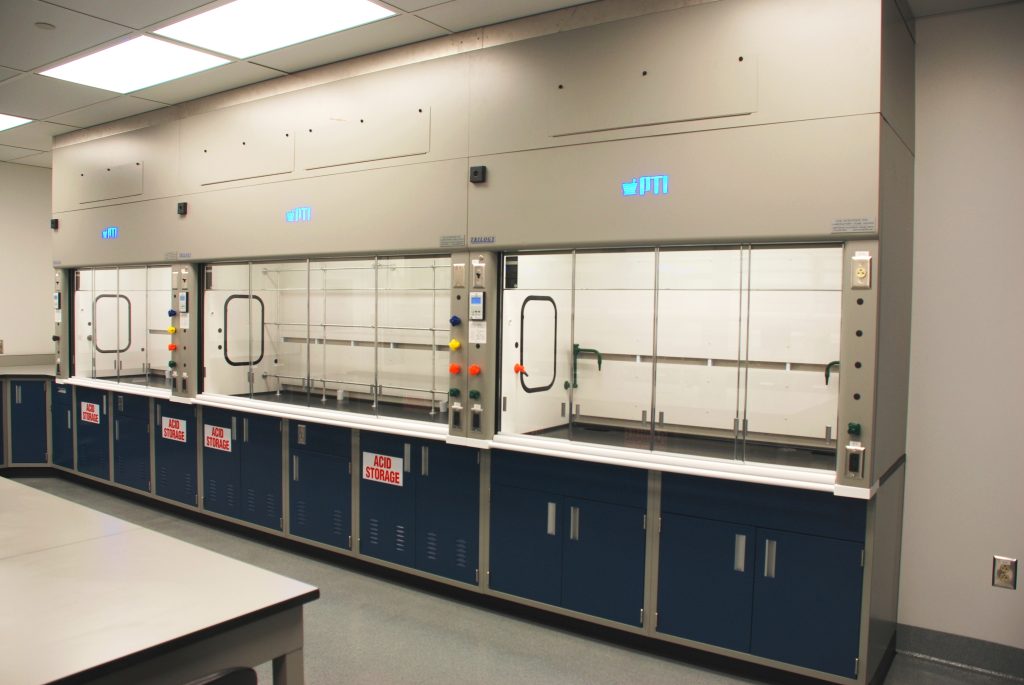
A radioisotope fume hood is specifically designed to safely handle radioactive materials in laboratory settings. These hoods offer secure ventilation and containment to protect lab personnel from exposure to radioactive substances, ensuring a controlled environment for experiments and procedures involving radioisotopes.
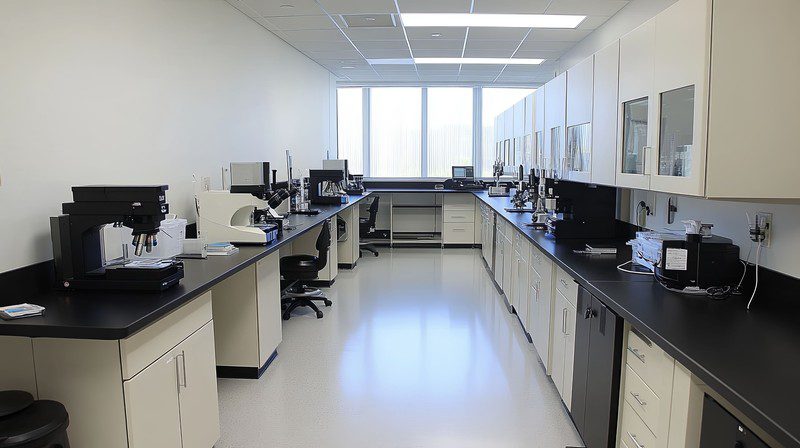
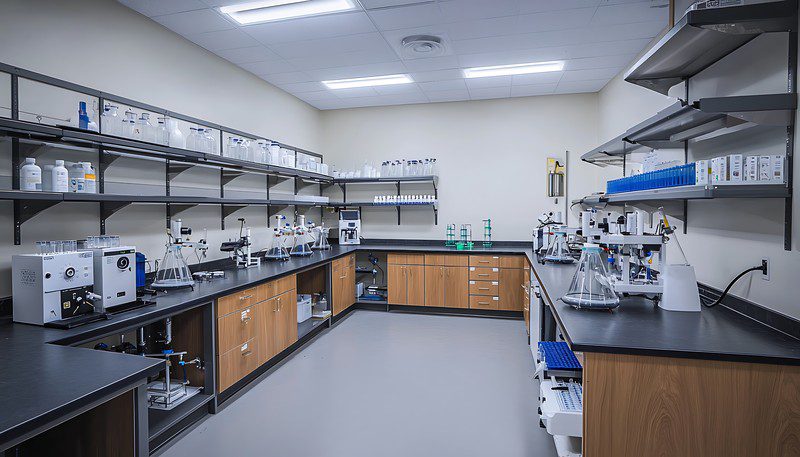
While each lab serves its own unique purpose, every layout should start with consideration for optimizing effectiveness and, ultimately, a return on investment. Integrating a sustainable design that incorporates green building practices is one way to future-proof your lab. That said, there are five key points that require thoughtful deliberation in the space planning process.
Choosing the right materials for your lab furniture and storage is a key decision that impacts both safety and functionality. One of the most durable and hygienic options available is stainless steel casework. This material is highly resistant to corrosion, easy to clean, and well-suited for sterile environments. Stainless steel casework is an excellent investment for laboratories, particularly those in healthcare, pharmaceuticals, and research.
There have been significant improvements in the fume hood industry within the past few years. As U.S. citizens and the federal government focus more and more on the environmental impact of our equipment, it becomes necessary for those in the fume hood design and manufacturing business to take a step back and redesign some of their products to reduce their environmental footprint. Because of these updated engineering designs, companies are able to offer high performance fume hoods that not only get the job done but do so in a safe & environmentally conscious manner. These are only some of the reasons why using a high performance fume hood is good for business.
Fume hood calibration is a critical aspect of laboratory safety. Proper calibration ensures that your fume hood effectively removes hazardous fumes, vapors, and dust, providing a safe working environment. Regular calibration is necessary to maintain performance and comply with safety regulations. Whether you’re a lab technician or facility manager, understanding how to calibrate a fume hood can make a significant difference in ensuring safety and efficiency.
While some fume hood designs have very specific designs and purposes, it’s important to view your fume hood choice comprehensively. When considering expanding your laboratory and in the process your fume hood, consider these areas to find the best fit for your lab. They will ensure you consider your needs to the fullest.
Designing a crime lab layout is far from straightforward. These facilities must balance technology with workflow organization to deliver the precision required for modern forensic investigations.
Creating an effective chemistry lab design for educational institutions involves more than just arranging equipment and furniture. It requires careful consideration of safety, functionality, and aesthetics to foster an environment that enhances learning and experimentation.
Fume hoods play a critical role in guaranteeing the safety and efficiency of laboratories by expelling harmful fumes and vapors. Whether you are working with chemicals, organic compounds, or biological agents, proper fume hood installation is essential to maintaining a safe lab environment. With over three decades of experience designing, selling, and installing high-quality laboratory equipment, LOC Scientific offers this comprehensive guide to help you understand the key steps of installing a fume hood.
Laboratory equipment impacts the accuracy and efficiency of scientific research. Neglecting proper care can lead to operational setbacks, inaccurate results, and even safety hazards. Conversely, a well-maintained laboratory maintains smoother operations, improved productivity, and a longer lifespan for your equipment.