
Laboratory Casework Materials Explained
Quick Summary
Laboratory casework materials include wood, powder-coated steel, stainless steel, polypropylene, phenolic resin, and plastic laminate. Each earns its spot differently. Wood suits teaching spaces where warmth counts. Steel gives you strength and chemical resistance. Stainless is for sanitary work. Polypropylene and phenolic resin cope with moisture and aggressive reagents, while laminate belongs in dry, budget-conscious rooms. Which one wins depends on your chemicals, humidity, cleaning routine, and budget. SEFA-tested products add confidence in quality. Mix materials by zone and you keep performance high without overspending anywhere in the facility.
Think about what a lab actually asks of its cabinets. Daily use. Spills. Constant washing. The laboratory casework materials you pick determine how that storage holds up over time. Match them to your chemicals, moisture, and heat, and the casework keeps a professional look for years. Get it wrong and the units swell, corrode, or delaminate far sooner than they should.
Why Casework Material Matters in a Laboratory
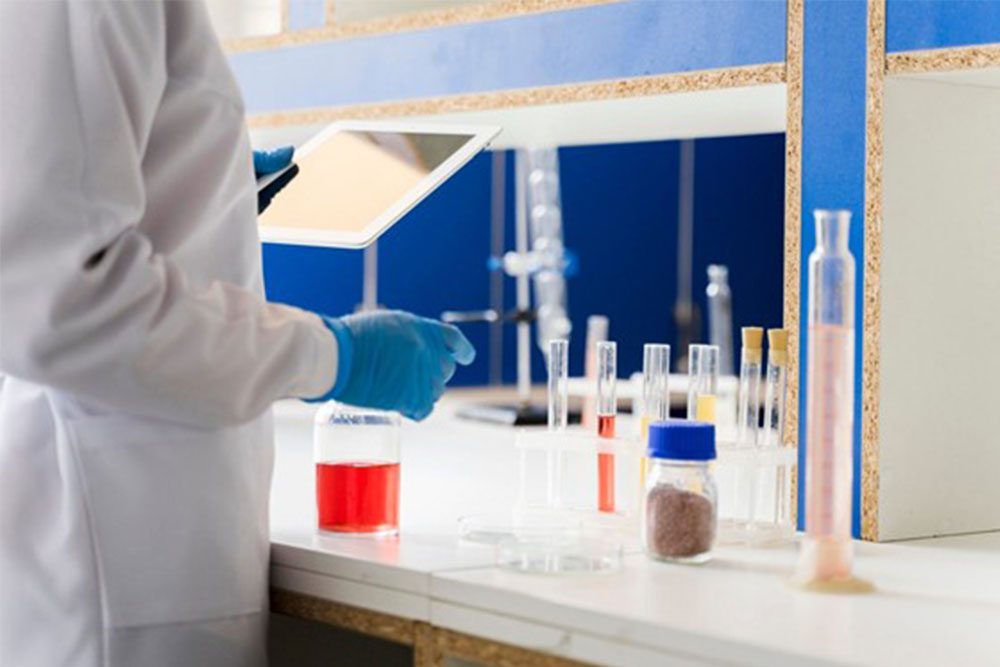
Lab casework is not office cabinetry with a different label. It holds heavy glassware and equipment, carries countertops and sinks, and takes spills of acids, solvents, and cleaning agents. That last job is where a chemical resistance chart earns its keep. Then add humidity, heat, and constant washing. The stress never lets up.
Material choice therefore touches four things at once: safety, maintenance costs, lifespan, and appearance. A finish that looks great in a dry teaching room can fail quickly beside a wash station. Before you specify lab furniture, make sure you understand lab casework materials. It saves money and disruption later.
Wood Casework
Where warmth and appearance matter, wood remains a popular laboratory casework material. Frames are hardwood with premium veneers, which give structural integrity and an upscale look. Moisture-resistant finishes extend service life. Our wood lab cabinets are modular. Reconfigure them when your laboratory grows or changes.
Wood fits educational institutions, healthcare training labs, corporate laboratories, and client-facing research areas. Its weak spot? Exposure. Aggressive chemicals in heavy, repeated contact, or standing moisture call for another material. Keep wood where the chemical load is moderate.
Powder-Coated Steel Casework
Steel is the traditional workhorse of the laboratory. Metal casework is built from steel panels with a powder-coated finish, designed to give strong chemical resistance and stand up to scratches. Look at our metal lab cabinets: flush front construction, adjustable shelving, removable backs. Bottom panels are designed to contain spills.
Research facilities and industrial laboratories suit steel. The non-porous surface is easy to sanitize. Need to match the room? Available colors let you coordinate casework with everything else in it.
Stainless Steel Casework
In some rooms, hygiene and corrosion resistance come first. Our stainless steel casework is built for those areas. Its smooth, non-porous surface does not harbor bacteria and tolerates frequent washdown, and it holds up against many corrosive substances. Pharmaceutical, biotechnology, food testing, and cleanroom applications choose it frequently.
Expect a higher initial investment. That is why stainless belongs in the areas that truly need it. Many facilities use stainless casework in critical zones and other materials elsewhere, a sensible way to manage the budget.
Polypropylene Casework
Polypropylene is a thermoplastic, and it does not rust or corrode. It resists moisture strongly, along with a broad range of acids and bases. Our polypropylene lab cabinets are made for labs that handle aggressive chemicals. Think of laboratories using aggressive reagents regularly, or those with high humidity, including environmental testing.
It is lighter than metal alternatives too. Is the chemical environment your main concern? Put polypropylene on your shortlist.
Phenolic Resin Casework
Phenolic resin is a dense composite, made by bonding layers of resin-impregnated material under heat and pressure. The surface that results is rigid and chemical-resistant. Moisture and humidity leave it unaffected. Our phenolic resin cabinets suit humid environments and wash-down areas. They also suit laboratories where long service life is a priority.
Plastic Laminate Casework
Plastic laminate offers an economical route to attractive, easy-to-clean lab furniture. Our plastic laminate cabinets perform well in classrooms and research labs where chemical exposure is light. Edges are the weak point, since constant moisture or humidity can cause laminate to warp or swell. Where budgets are tight and conditions are mild, laminate is a sensible, practical option.
How SEFA Standards Fit In
Material alone does not guarantee performance, which is why independent standards matter. The Scientific Equipment and Furniture Association develops “laboratory grade” standards for furniture and equipment, and it requires manufacturing members to submit certified test reports from approved labs showing that at least one product complies with a SEFA standard. Our metal casework is designed to meet SEFA standards for safety and sanitation.
Construction Details That Affect Performance
Two cabinets made from the same material can perform very differently depending on how they are built. Look closely at joints, finishes, and hardware. Welded seams on steel units, sealed edges on wood and laminate, and corrosion-resistant hinges and pulls all extend the life of the installation.
Finish quality matters just as much as the substrate. A powder-coated steel cabinet depends on a continuous, well-bonded coating to resist chemicals, while a wood cabinet depends on a durable sealed finish to keep moisture out of the core.
Ask your supplier how finishes are applied and tested, and request color charts and specification sheets so that your team can compare options side by side.
Plan Your Casework With LOC Scientific
Routine care is straightforward for most materials, and our maintenance guidelines for lab cabinets cover the basics. Wipe spills promptly, avoid abrasive cleaners that can damage finishes, and inspect doors, hinges, and seams on a regular schedule. Small repairs made early are far less expensive than replacing a damaged unit later.
Training matters here as well. When staff understand what each surface can and cannot tolerate, they are less likely to use an unsuitable cleaner or to leave a corrosive spill unattended. A short orientation for new users, supported by clear care instructions from your supplier, protects casework for years.
Since 1986, we have designed more than 10,400 laboratories, and our furniture and casework are made in the USA. We start with your chemicals, your equipment, and the way your team moves through the space, then recommend materials that hold up under real use.
Not sure which material fits your lab? Contact LOC Scientific and our team will help you choose casework built around your chemicals, workflow, and budget.
Frequently Asked Questions
SEFA, the Scientific Equipment and Furniture Association, develops laboratory-grade standards for furniture and equipment. Manufacturing members submit certified test reports from SEFA-approved labs to show compliance.
Polypropylene resists a broad range of acids and bases and does not corrode, while epoxy, phenolic resin, and stainless steel also perform well depending on the substance.
Absolutely. Many facilities specify different materials by zone, placing high-performance options in wet or chemical areas and more economical choices in dry areas. We can help coordinate materials so the finished lab looks and performs as a unified system.