
How To Repair Epoxy Resin Countertops
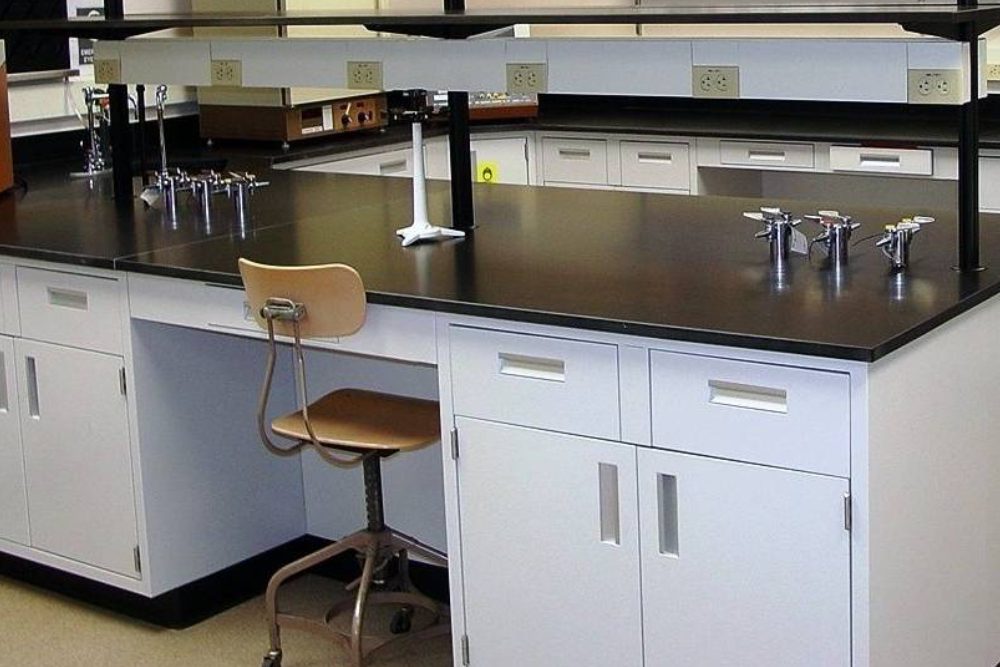
Learning how to repair epoxy resin countertops helps extend the life of surfaces that handle daily use and occasional damage. Small imperfections can appear over time, especially in high-use areas or specialized environments like laboratory countertops. With the right methods, most problems can be corrected without replacing the entire surface.
Understanding Common Epoxy Countertop Damage
Before beginning any repair, it is important to identify the type of damage affecting the surface. Epoxy countertops can develop scratches, air bubbles, discoloration, or uneven areas due to improper curing or everyday wear. Each issue requires a slightly different technique, so a clear assessment helps avoid unnecessary work.
Environmental factors also play a role in surface damage over time, especially in laboratory countertops exposed to demanding conditions. Heat exposure, moisture, and ultraviolet light can gradually affect epoxy integrity, leading to visible changes in texture or color.
Preparing the Surface for Repair
A clean and stable surface is essential for a successful repair. Dust, grease, or residue can interfere with adhesion, so thorough cleaning with a non-abrasive solution is necessary before sanding or recoating. Letting the surface dry completely improves how well repair materials bond.
Light sanding follows cleaning to create a slightly rough texture that improves adhesion. Fine-grit sandpaper helps smooth imperfections while maintaining control over the surface depth. After sanding, removing all debris prevents contamination during the next stage of the repair process.
How to Repair Epoxy Resin Countertops with Sanding Techniques
Sanding remains one of the most reliable methods when learning how to repair epoxy resin countertops. It removes scratches, levels uneven areas, and prepares the surface for recoating without affecting the overall structure. Controlled sanding also makes it easier to correct specific problem areas.
Different sanding grits are used depending on the severity of the damage. Coarser grits address deeper imperfections, while finer grits refine the surface for a smoother finish. Gradual transitions between grits help maintain a consistent look across the repaired section.
Applying a New Epoxy Layer for Restoration
After surface preparation, applying a new epoxy layer restores clarity and smoothness. A thin flood coat covers minor imperfections while blending repaired areas into the surrounding surface. Even application helps reduce visible transitions after curing.
Mixing and application techniques directly affect the final result. Air bubbles may form during pouring, so gentle heat or a torch helps release trapped air before curing begins. Allowing the epoxy to settle undisturbed leads to a more uniform and polished finish.
Fixing Deep Scratches and Surface Imperfections
Deeper scratches or gouges require more focused attention before applying a new coat. Filling these areas with epoxy or a compatible filler rebuilds the surface and prevents visible indentations after curing. Proper leveling at this stage improves the overall appearance.
Once filled, sanding again blends the repaired section with the surrounding surface. This step creates a consistent texture and removes noticeable edges between old and new material. Careful work here leads to a smoother and more natural-looking result.
Preventing Future Epoxy Countertop Damage
Preventative care helps maintain the appearance and durability of epoxy countertops after repairs are complete. Using protective pads under hot items and limiting exposure to harsh chemicals reduces wear over time. Regular cleaning keeps the surface free from buildup that can lead to damage.
Routine inspections help catch minor issues early. Addressing small scratches or imperfections quickly reduces the need for more extensive repairs later. Consistent care extends the lifespan of the countertop while preserving its visual appeal.
Maintaining Long-Term Surface Performance
Long-term performance depends on proper repair techniques and consistent maintenance habits. Ongoing care helps preserve the glossy finish and structural integrity of the epoxy surface. Small efforts over time contribute to a clean and professional appearance across different applications.
Understanding how to repair epoxy resin countertops with precision helps reduce downtime and avoid unnecessary replacement costs. With the right approach, epoxy countertops remain a durable and versatile surface choice. This makes them suitable for demanding professional environments that depend on consistent surface quality.
Bringing Your Epoxy Countertop Back to Life
Repairing epoxy resin countertops requires attention to detail, proper preparation, and consistent techniques throughout each step. From surface cleaning and sanding to applying a fresh coat, each stage works together to restore both appearance and durability. With the right approach, even noticeable damage can be corrected, allowing your countertop to maintain its strength and professional finish over time.
Restore Your Surfaces with Confidence
At LOC Scientific, we offer high-quality laboratory countertops designed for durability and long-term performance in demanding environments. If you need guidance on maintenance or selecting the right surface solution, contact us today to learn more about our products and services.