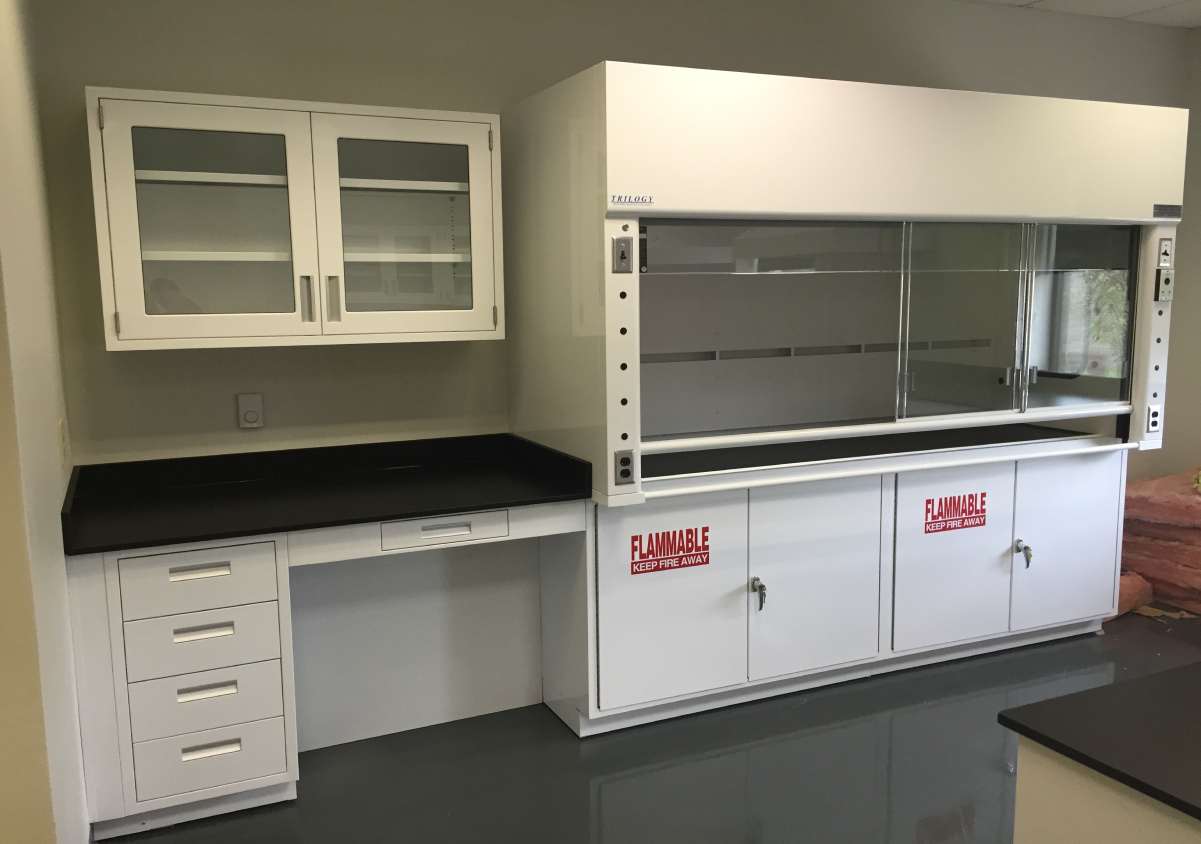
The Variable Air Volume (VAV) Fume Hood from LOC Scientific represents a state-of-the-art solution for laboratories needing precise airflow control. This advanced fume hood is engineered to adjust airflow dynamically based on the laboratory's needs.
Unlike traditional constant air volume systems, the VAV Fume Hood integrates seamlessly with exhaust control systems from other manufacturers to dynamically adjust the volume of air being exhausted based on the position of the sash. This innovative approach maintains a constant face velocity, ensuring superior performance while significantly reducing energy costs.
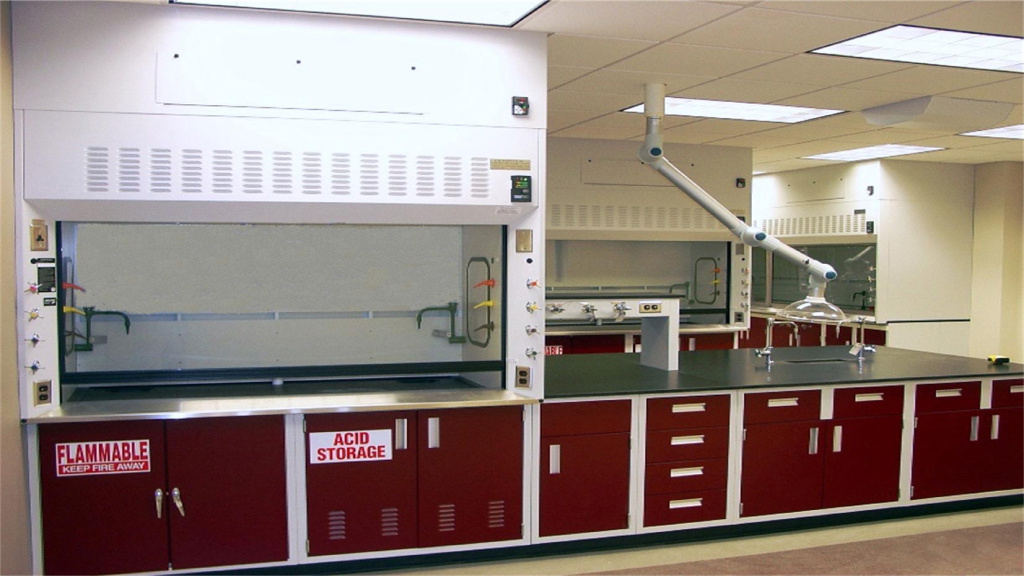
Our VAV Fume Hood
By optimizing airflow and enhancing safety, the VAV Fume Hood is an energy-efficient choice for any laboratory focused on sustainability and cost savings. The hood integrates seamlessly with modern control systems to provide precise airflow management while maintaining constant face velocity for optimal safety performance across all sash positions.
Advanced VAV Hood Features
Variable air volume technology engineered for energy efficiency and constant face velocity control
Dynamically adjusts exhaust volume based on sash position for optimal efficiency
Maintains consistent face velocity (60-150 FPM) across all sash positions
Significantly reduces energy costs through optimized airflow management
Restricts air intake to front sash opening for controlled airflow and energy conservation
Glazed safety glass with full-width PVC pull and spring-loaded sash stop
Inward-angled entrance members minimize turbulence for optimal air movement
Maintains 1-inch airflow across work surface even when sash is closed
Protected routing for plumbing and electrical with easy maintenance access
VAV Hood Applications & Environments
VAV fume hoods provide energy-efficient containment solutions across demanding laboratory environments requiring precise airflow control:
- Research Laboratories: Dynamic airflow adjustment optimizes energy consumption while maintaining safety during varying research activities and procedures.
- Pharmaceutical Development: Precise face velocity control supports drug development processes requiring consistent containment with energy-efficient operation.
- Educational Institutions: Energy cost reduction benefits educational budgets while providing reliable safety for teaching laboratory applications.
- Chemical Analysis Labs: Constant face velocity ensures consistent containment during analytical procedures with variable sash positions.
- Sustainability-Focused Facilities: Energy optimization supports green building initiatives and environmental sustainability goals.
- High-Volume Laboratory Operations: Significant energy savings benefit facilities with multiple fume hoods operating continuously.
Benefits of Choosing VAV Fume Hoods
- Exceptional Energy Savings: Dynamic airflow adjustment reduces energy costs significantly compared to constant volume systems
- Consistent Safety Performance: Maintains constant face velocity (60-150 FPM) ensuring reliable containment across all sash positions
- Seamless Integration: Compatible with exhaust control systems from other manufacturers for flexible installation options
- Advanced Airflow Management: Lintel air restriction and airfoil design optimize air movement while minimizing energy consumption
- Enhanced Visibility: Full-view safety glass sash provides unobstructed interior viewing for precise laboratory work
- Flexible Customization: Optional service fixtures with pre-cut mounting holes accommodate diverse laboratory requirements
- Superior Construction: Double wall design protects utilities while providing easy access for maintenance and adjustments
- Sustainability Support: Energy-efficient operation supports green building initiatives and environmental responsibility goals
Technical Specifications & Performance Data
VAV Hood Model Specifications:
| Model # | Hood Size | 100 FPM @ Full Open | 100 FPM @ 18" Open | ||
| Collar Size | CFM | Collar Size | CFM | ||
| B-614 | 48" | 10" Dia. | 867 | 8" Dia. | 488 |
| B-615 | 60" | 10" Dia. | 1133 | 8" Dia. | 638 |
| B-616 | 72" | 10" Dia. | 1400 | 10" Dia. | 788 |
| B-617 | 84" | 2) 10" Dia. | 1667 | 2) 8" Dia. | 938 |
| B-618 | 96" | 2) 10" Dia. | 1933 | 2) 8" Dia. | 1088 |
Static Pressure (SP) Values:
- B-614: 0.35 (Full Open), 0.21 (18" Open)
- B-615: 0.31 (Full Open), 0.31 (18" Open)
- B-616: 0.40 (Full Open), 0.22 (18" Open)
- B-617: 0.33 (Full Open), 0.19 (18" Open)
- B-618: 0.40 (Full Open), 0.24 (18" Open)
VAV Performance Features:
- Face Velocity Range: 60-150 FPM with constant velocity maintenance
- Dynamic Control: Variable air volume adjusts automatically with sash position
- Energy Optimization: Significant reduction in exhaust volume during low sash positions
- Control Integration: Compatible with various exhaust control system manufacturers
- Airflow Management: Lintel restriction and airfoil design for optimal air movement
Advanced Features:
- Resin-Chem Interior: Chemical-resistant liner for durability and safety
- Sealed Lighting: Vapor-proof installation isolates electrical components from fumes
- Removable Panels: Easy access for maintenance and internal component adjustments
- Safety Systems: Spring-loaded sash stop and full-width safety pulls
Installation Notes:
- Static pressures listed are for hoods only; additional duct system pressure drop must be calculated
- Total pressure drop through hood and duct system determines proper exhaust blower selection
- VAV controls require integration with building automation or dedicated control systems
Why Choose LOC Scientific?
LOC Scientific brings decades of experience in laboratory design and equipment to every VAV fume hood project. Our products, including the VAV Fume Hood, are proudly made in the USA, ensuring superior craftsmanship and supporting American manufacturing.
From initial consultation to installation and beyond, our team provides exceptional customer support, ensuring your needs are met with efficiency and care. Our experts bring unparalleled knowledge to every project, ensuring the best energy-efficient solutions for your specific laboratory requirements.